
Sri Uma Maheshwara Swamy Temple – Shiva Temple , Yaganti – Kurnool – Andhra Pradesh
Sri Uma Maheshwara Swamy Temple – Yaganti – Kurnool – Andhra Pradesh – Timings, How to reach , History , Festivlas Celebrated
శ్రీ ఉమా మహేశ్వర స్వామి దేవాలయం – యాగంటి – కర్నూలు – ఆంధ్ర ప్రదేశ్
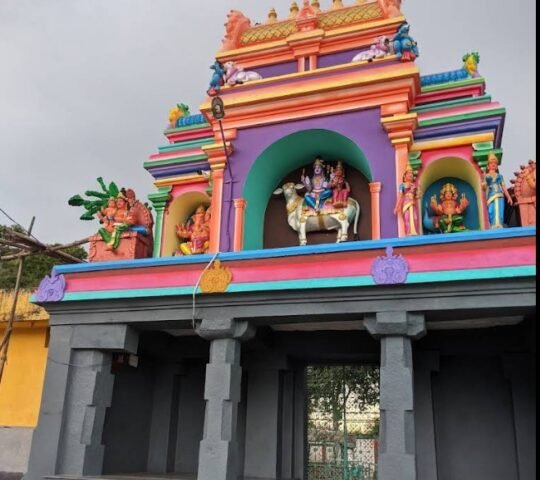
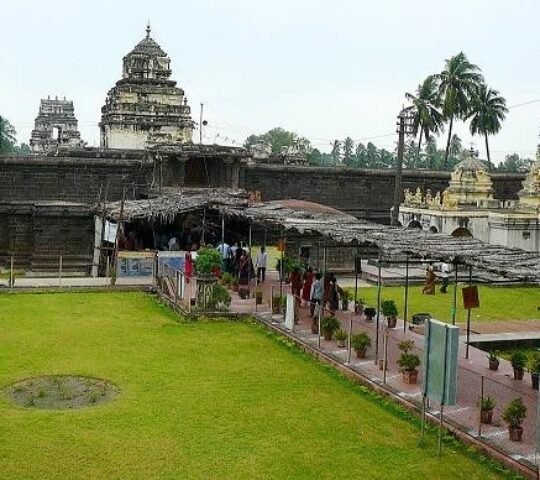
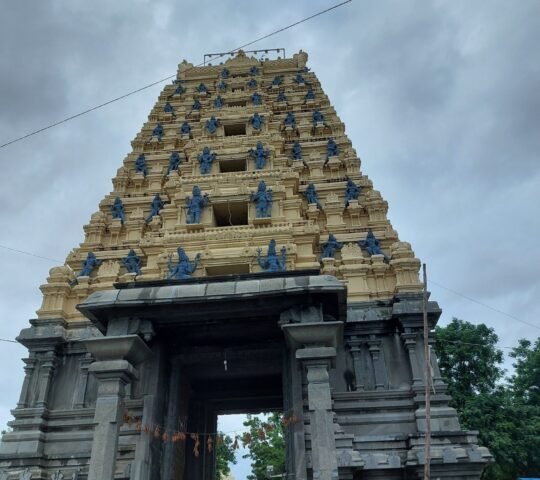
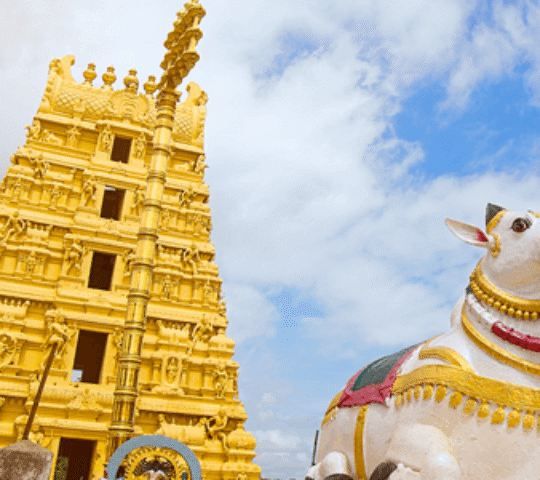
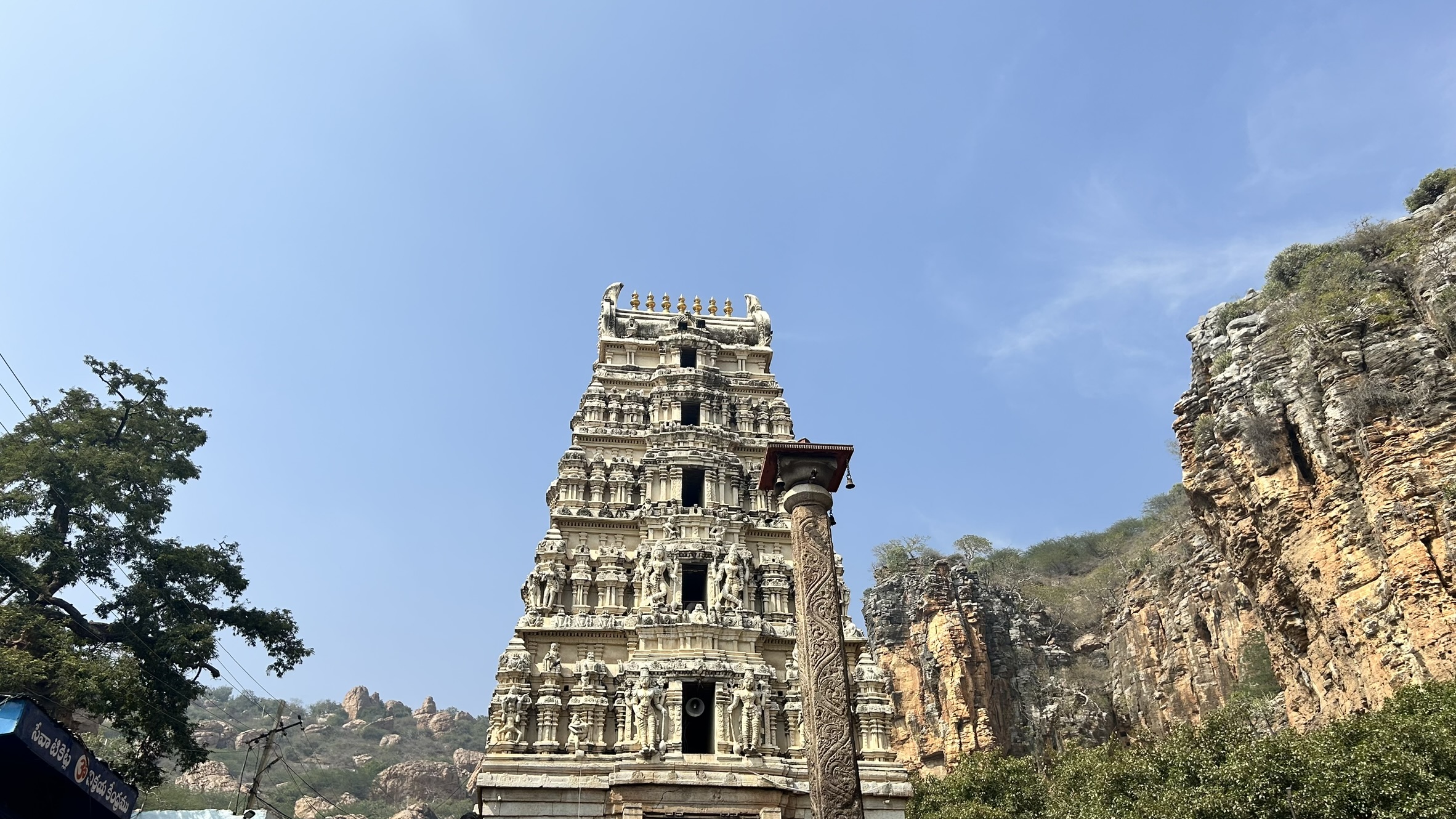
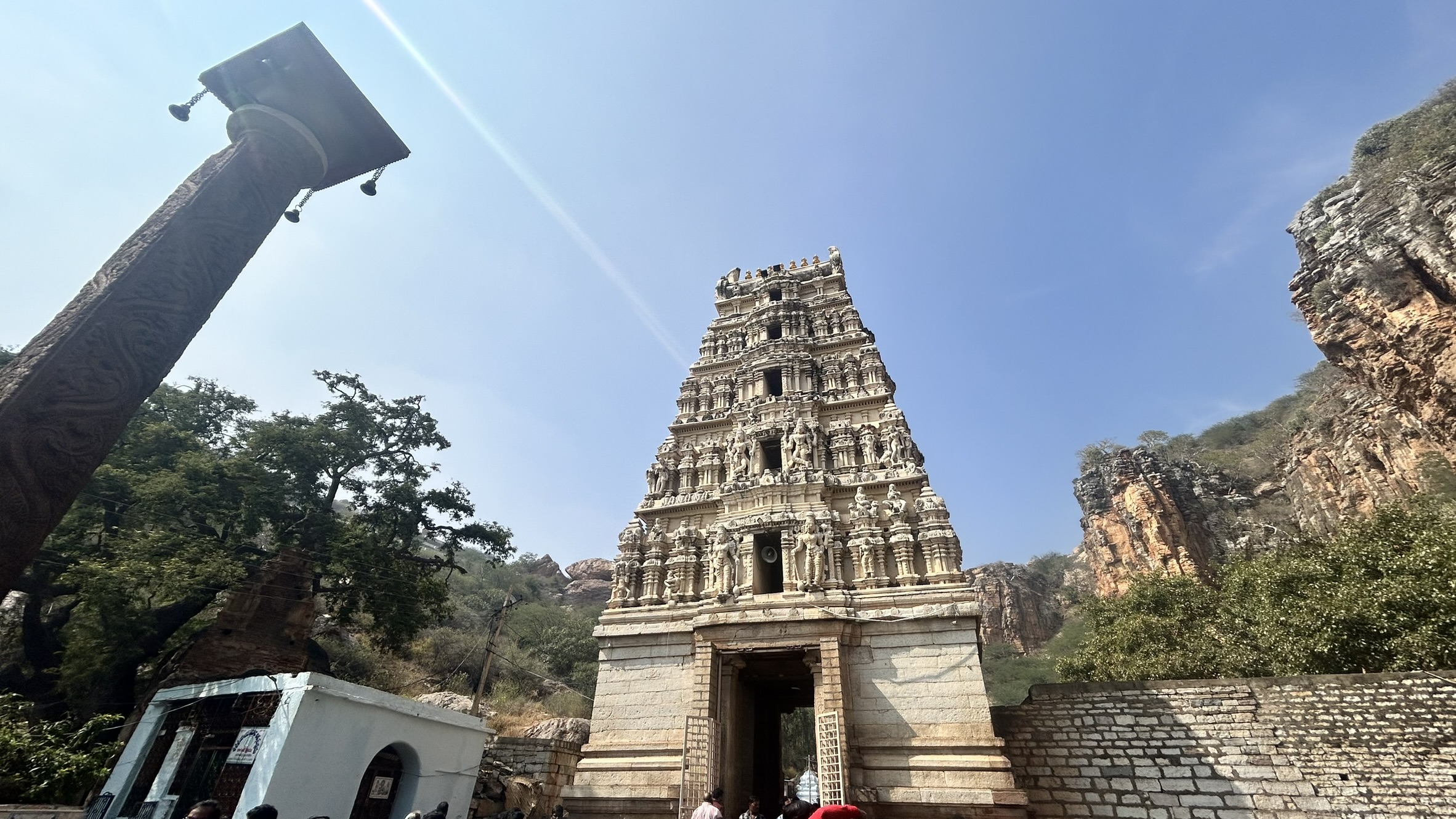
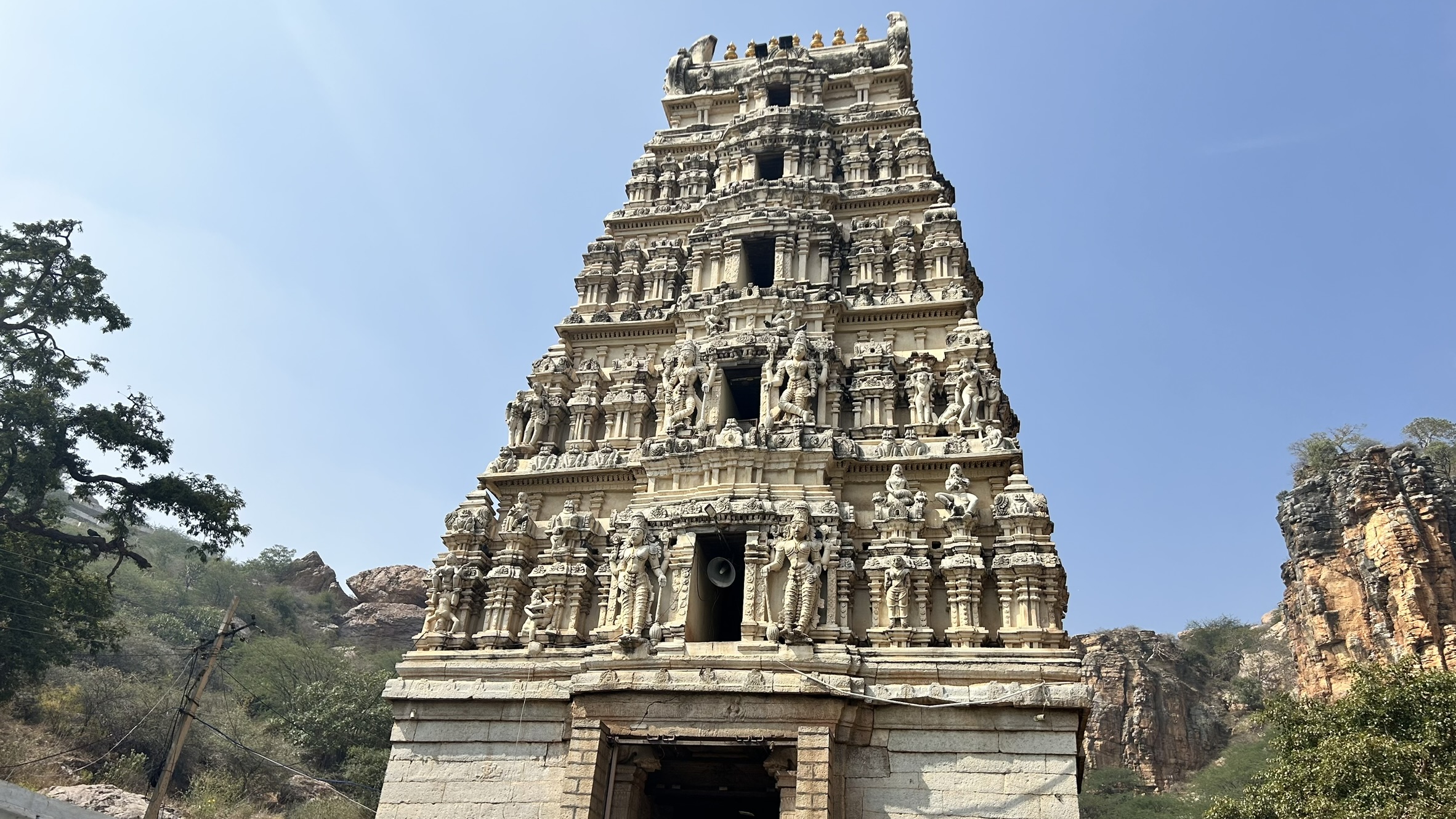
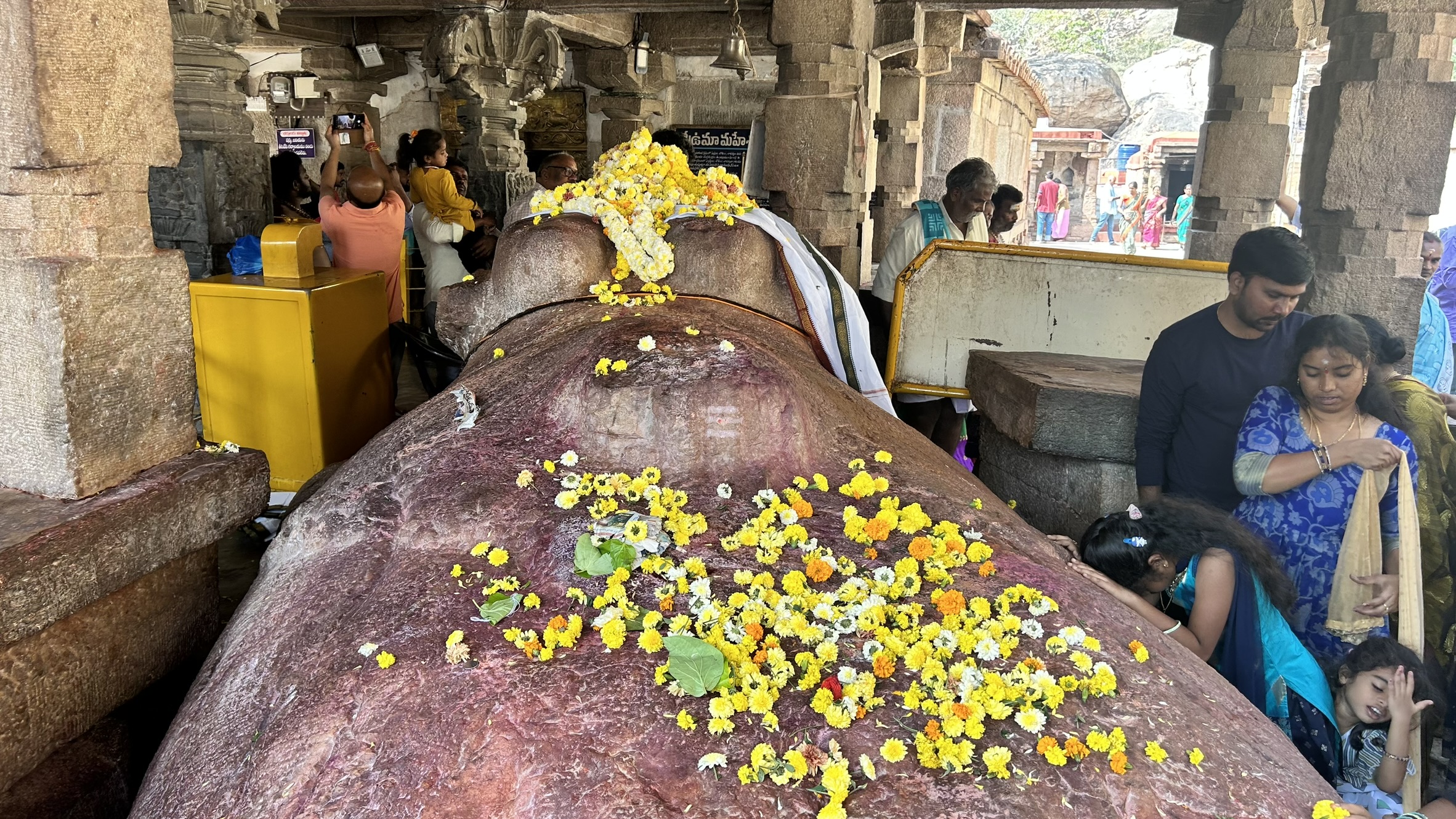
Yaganti Temple, also known as Yaganti Umamaheswara Temple, is a renowned ancient Lord Shiva temple located in Kurnool district, Andhra Pradesh. Nestled amidst the scenic Nallamala hills, this temple is famous for its mystical growing Nandi (Basavanna) statue, which continues to attract devotees and researchers alike. The temple is dedicated to Lord Umamaheswara Swamy, with Goddess Parvati by His side, and holds great spiritual importance as mentioned in ancient scriptures. Devotees visit Yaganti Temple to seek blessings for peace, health, and spiritual growth, especially during Maha Shivaratri and Pradosham days. Surrounded by caves, natural springs, and a serene atmosphere, Yaganti is one of the most significant pilgrimage destinations in Andhra Pradesh.
Maps
Hightlight
-
 Airport
-
 Bus Facility
-
 Parking
-
 Taxi
Taxi

More Information
- Temple History Yaganti Temple or Sri Yaganti Uma Maheswara Temple is a temple of Shiva in Nandyal district in the India state of Andhra Pradesh. It was built according to Vaishnavaite traditions. The legend of the Sri Yaganti Uma Maheswara Temple begins with the great Sage Agastya, who originally arrived at this serene valley in the Yerramala hills with the intention of building a magnificent temple for Lord Venkateswara. After meticulously carving a beautiful idol, he discovered during the installation that the idol’s toe nail had slightly chipped. Since Hindu scriptures forbid the worship of a damaged deity, the sage was deeply distressed and sought answers through a severe penance dedicated to Lord Shiva. Shiva eventually appeared before him and explained that the location, with its natural caves and rugged landscape, so closely resembled the holy Mount Kailash that it was destined to be a Shaivite site rather than a Vaishnavite one. Agastya then requested that Shiva remain there with Goddess Parvati in a single form, leading to the creation of the rare, monolithic Uma Maheswara idol that characterizes the temple today. Complementing this ancient lore is the story of Chitteppa, a humble and fervent devotee whose pure faith gave the temple its modern name. While Chitteppa was meditating in the nearby hills, Lord Shiva decided to test his spirit by appearing in the form of a ferocious tiger. Instead of running away in terror, Chitteppa’s spiritual intuition allowed him to see the divine presence within the beast. Overwhelmed with joy, he began to dance and shout in his local tongue, "Neganti Shivanu ne kanti," which translates to "I have seen Shiva with my own eyes." This ecstatic proclamation echoed through the valley, and over the centuries, the phrase evolved into the name Yaganti. To this day, the Chitteppa Cave stands as a testament to this legendary encounter between a master and his devotee. The spiritual depth of Yaganti is further enriched by its connection to the famous saint and prophet, Sri Potuluri Veera Brahmendra Swamy. He spent a significant portion of his life in a small, low-ceilinged cave on the temple grounds, where he meditated and authored the Kalagnanam, a renowned collection of prophecies. One of his most startling predictions concerns the temple’s Nandi idol, known as the Basavanna. While the Archaeological Survey of India has noted that the silica-rich rock of the Nandi naturally expands, the saint’s prophecy adds a mystical layer, stating that the Nandi will continue to grow until the end of the Kali Yuga. At that time, it is said the stone bull will come to life, let out a thunderous roar, and signal the end of the current age, making the statue a focal point of both scientific and spiritual intrigue. Beyond the stone walls and growing idols, the very atmosphere of Yaganti is defined by a unique divine protection related to the absence of crows. Tradition holds that while Sage Agastya was performing his penance, he was repeatedly disturbed by the loud cawing of crows flying over the valley. In a moment of irritation, he cursed them, forbidding them from ever entering the sacred space again. Because the crow is recognized as the vehicle of Lord Shani, or Saturn, the absence of these birds has led to the firm belief that Shani’s malefic influences are barred from the temple. This makes Yaganti a sanctuary for those seeking relief from astrological afflictions, as the valley remains a silent, protected enclave where the only sounds are the mysterious, constant flow of water through the Pushkarini and the prayers of the visiting pilgrims. యాగంటి దేవాలయం లేదా శ్రీ యాగంటి ఉమా మహేశ్వర దేవాలయం, భారతదేశంలోని ఆంధ్రప్రదేశ్ రాష్ట్రంలోని నంద్యాల జిల్లాలో ఉన్న ఒక శివాలయం. దీనిని వైష్ణవ సంప్రదాయాల ప్రకారం నిర్మించారు. శ్రీ యాగంటి ఉమా మహేశ్వర దేవాలయం యొక్క పురాణం గొప్ప అగస్త్య మహర్షితో ప్రారంభమవుతుంది. ఆయన మొదటగా యెర్రమల కొండలలోని ఈ ప్రశాంతమైన లోయకు శ్రీ వేంకటేశ్వర స్వామి కోసం ఒక అద్భుతమైన ఆలయాన్ని నిర్మించాలనే ఉద్దేశ్యంతో వచ్చారు. ఆయన ఎంతో శ్రద్ధగా ఒక అందమైన విగ్రహాన్ని చెక్కిన తర్వాత, ప్రతిష్ఠాపన సమయంలో ఆ విగ్రహం యొక్క కాలి బొటనవేలు కొద్దిగా చిట్లిపోయిందని కనుగొన్నారు. హిందూ గ్రంథాల ప్రకారం దెబ్బతిన్న విగ్రహాన్ని పూజించడం నిషిద్ధం కాబట్టి, ఆ మహర్షి తీవ్రంగా కలత చెంది, శివుడికి అంకితమైన తీవ్ర తపస్సు ద్వారా సమాధానాల కోసం వెతికారు. చివరికి శివుడు ఆయనకు ప్రత్యక్షమై, సహజ గుహలు మరియు కఠినమైన భూభాగంతో ఉన్న ఈ ప్రదేశం పవిత్రమైన కైలాస పర్వతాన్ని పోలి ఉన్నందున, ఇది వైష్ణవ క్షేత్రం కాకుండా శైవ క్షేత్రంగా ఉండటానికి ఉద్దేశించబడిందని వివరించారు. అప్పుడు అగస్త్యుడు శివుడిని పార్వతీ దేవితో కలిసి ఒకే రూపంలో అక్కడే ఉండమని కోరారు, దీని ఫలితంగా ఈ ఆలయానికి నేటికీ ప్రత్యేకతను తెచ్చిపెట్టిన అరుదైన, ఏకశిలా ఉమా మహేశ్వర విగ్రహం ఆవిర్భవించింది. ఈ ప్రాచీన గాథకు తోడుగా, ఆలయానికి దాని ఆధునిక పేరును అందించిన చిట్టెప్ప అనే వినయశీలి మరియు తీవ్ర భక్తుడి కథ కూడా ఉంది. చిట్టెప్ప సమీపంలోని కొండలలో ధ్యానం చేస్తున్నప్పుడు, శివుడు ఒక భయంకరమైన పులి రూపంలో కనిపించి అతని భక్తిని పరీక్షించాలని నిర్ణయించుకున్నాడు. భయంతో పారిపోవడానికి బదులుగా, చిట్టెప్ప యొక్క ఆధ్యాత్మిక అంతర్ దృష్టి ఆ మృగంలో ఉన్న దైవిక రూపాన్ని చూడటానికి అతనికి సహాయపడింది. ఆనందంతో ఉప్పొంగిపోయి, అతను తన స్థానిక భాషలో "నేగంటి శివను నే కంటి" అని నాట్యం చేస్తూ, కేకలు వేయడం ప్రారంభించాడు, దీనికి అర్థం "నేను శివుడిని నా కళ్ళతో చూశాను". ఈ ఆనంద ప్రకటన లోయ అంతటా ప్రతిధ్వనించింది, మరియు శతాబ్దాలుగా, ఈ పదబంధం యాగంటి అనే పేరుగా రూపాంతరం చెందింది. నేటికీ, చిట్టెప్ప గుహ గురువుకు మరియు అతని శిష్యుడికి మధ్య జరిగిన ఈ పౌరాణిక కలయికకు నిదర్శనంగా నిలుస్తుంది. యాగంటి యొక్క ఆధ్యాత్మిక లోతు ప్రసిద్ధ సాధువు మరియు ప్రవక్త అయిన శ్రీ పోతులూరి వీర బ్రహ్మేంద్ర స్వామికి ఉన్న అనుబంధం ద్వారా మరింత సుసంపన్నమైంది. ఆయన తన జీవితంలో గణనీయమైన భాగాన్ని ఆలయ ప్రాంగణంలోని ఒక చిన్న, తక్కువ పైకప్పు ఉన్న గుహలో గడిపారు, అక్కడ ఆయన ధ్యానం చేస్తూ ప్రసిద్ధ భవిష్యవాణుల సంకలనమైన కాలజ్ఞానాన్ని రచించారు. ఆయన చేసిన అత్యంత ఆశ్చర్యకరమైన భవిష్యవాణులలో ఒకటి, బసవన్న అని పిలువబడే ఆలయంలోని నంది విగ్రహానికి సంబంధించినది. ఆర్కియాలజికల్ సర్వే ఆఫ్ ఇండియా వారు నంది విగ్రహం యొక్క సిలికా అధికంగా ఉండే రాయి సహజంగా విస్తరిస్తుందని గుర్తించినప్పటికీ, ఆ సాధువు యొక్క ప్రవచనం దానికి ఒక ఆధ్యాత్మిక కోణాన్ని జోడిస్తుంది. కలియుగం అంతం వరకు నంది విగ్రహం పెరుగుతూనే ఉంటుందని ఆయన పేర్కొన్నారు. ఆ సమయంలో, ఆ రాతి వృషభం ప్రాణం పోసుకుని, ఉరుములాంటి గంభీరమైన గర్జన చేస్తుందని, ప్రస్తుత యుగానికి ముగింపును సూచిస్తుందని చెబుతారు. ఇది ఆ విగ్రహాన్ని శాస్త్రీయ మరియు ఆధ్యాత్మిక ఆసక్తికి కేంద్ర బిందువుగా మార్చింది. రాతి గోడలు మరియు పెరుగుతున్న విగ్రహాలకు అతీతంగా, యాగాంతి యొక్క వాతావరణం కాకుల లేకపోవడంతో ముడిపడి ఉన్న ఒక ప్రత్యేకమైన దైవిక రక్షణ ద్వారా నిర్వచించబడుతుంది. పురాణాల ప్రకారం, అగస్త్య మహర్షి తపస్సు చేస్తున్నప్పుడు, లోయ మీదుగా ఎగిరే కాకుల బిగ్గరగా అరవడం వల్ల ఆయన పదేపదే తీవ్రంగా ఇబ్బంది పడ్డారు. ఒక క్షణం విసుగు చెంది, ఆయన వాటిని శపించి, ఆ పవిత్ర స్థలంలోకి మళ్లీ ఎప్పుడూ ప్రవేశించకుండా నిషేధించారు. కాకిని శని భగవానుడి వాహనంగా పరిగణిస్తారు కాబట్టి, ఈ పక్షులు లేకపోవడం వల్ల శని యొక్క దుష్ప్రభావాలు ఆలయంలోకి ప్రవేశించకుండా నిరోధించబడ్డాయనే బలమైన నమ్మకం ఏర్పడింది. ఇది యాగాంతిని జ్యోతిష్య దోషాల నుండి ఉపశమనం కోరుకునే వారికి ఒక పుణ్యక్షేత్రంగా మార్చింది, ఎందుకంటే ఈ లోయ ఒక నిశ్శబ్ద, రక్షిత ప్రదేశంగా ఉంది, ఇక్కడ పుష్కరిణి గుండా నిరంతరం ప్రవహించే రహస్యమైన నీటి శబ్దం మరియు సందర్శించే యాత్రికుల ప్రార్థనలు మాత్రమే వినిపిస్తాయి.
-
Sub Temples
🛕Sri Uma Maheswara Swamy
🛕Lord Shiva and Goddess Parvati (Ardhanareeswara) carved from a single stone. Unlike most Shiva temples, he is worshipped here in human form rather than as a Lingam.
🛕Venkateswara Swamy
🛕Sri Potuluri Veera Brahmendra Swamy.
🛕Lord Ganesh
🛕Lord Veerabhadra Swamy
🛕Lord Subramanya (Murugan)
🛕Kasi Viswanatha
🛕Markandeya Lingeshwara and Siddha Lingeshwara
🛕The Growing Nandi (Basavanna)
🛕శ్రీ ఉమా మహేశ్వర స్వామి
🛕శివుడు మరియు పార్వతి దేవి (అర్ధనరీశ్వరుడు) ఒకే రాయి నుండి చెక్కారు. చాలా శివాలయాలలా కాకుండా, ఇక్కడ అతను లింగంగా కాకుండా మానవ రూపంలో పూజించబడ్డాడు.
🛕వెంకటేశ్వర స్వామి
🛕శ్రీ పోతులూరి వీర బ్రహ్మేంద్ర స్వామి.
🛕గణేశుడు
🛕వీరభద్ర స్వామి
🛕సుబ్రమణ్య దేవుడు (మురుగన్)
🛕కాశీ విశ్వనాథ
🛕మార్కండేయ లింగేశ్వరుడు మరియు సిద్ధ లింగేశ్వరుడు
🛕పెరుగుతున్న నంది (బసవన్న) -
Things to Cover
🙏🏼Take darshan & blessings of Lord Shiva , Lord Venkateswara and Nandi. Also visit different caves
🙏🏼శివుడు, వెంకటేశ్వర స్వామి మరియు నంది యొక్క దర్శనం చేసుకొని ఆశీస్సులు పొందండి. అలాగే వివిధ గుహలను కూడా సందర్శించండి.
-
Dress Code
🥻Traditional Dress
🥻సాంప్రదాయ దుస్తులు -
Pooja Details
🌹Sparsa Darshanam / Archana - 75/-
🌹Abhishekham - 150/-
🌹Kesakandana - 50/-
🌹Vivaha Kattadi - 750/-
🌹Akasadeepam - 600/-
🌹Special Darshnam . 10/-
🌹Ekadasa Rudrabhisekham - 1116/-
🌹Rudrabhishekam before Mahanyasa - 750/-
🌹Mahanaysapurvaka Rudrabhesekam)
🌹Leaf worship (Akupua) -25/-
🌹Vahana Pooja 4 Wheeler (Vahana Pooja 4W) . 125/-
🌹Vahana Pooja 2 Wheeler (Vahana Pooja 2W) - . 60/-
🌹స్పర్శ దర్శనం / అర్చన - 75/-
🌹అభిషేకం - 150/-
🌹కేశకందన - 50/-
🌹వివాహ కట్టడి - 750/-
🌹ఆకాశదీపం - 600/-
🌹ప్రత్యేక దర్శనం. 10/-
🌹ఏకాదశ రుద్రాభిషేకం - 1116/-
🌹మహాన్యాసానికి ముందు రుద్రాభిషేకం - 750/-
🌹మహానాయసపూర్వక రుద్రభేషేకం)
🌹ఆకు పూజ (అకుపువా) -25/-
🌹వాహన పూజ 4 వీలర్ (వాహన పూజ 4W) . 125/-
🌹వాహన పూజ 2 వీలర్ (వాహన పూజ 2W) - . 60/- -
Festivals / Jaatra
🌹Here is a most significant festivals celebrated at the Yaganti Uma Maheswara Temple:
🌹Maha Shivaratri The most prestigious festival at Yaganti, celebrated in February or March, marks the divine wedding of Lord Shiva and Goddess Parvati. Thousands of devotees throng the temple for the Kalyanotsavam and stay awake all night for the Linga Udhabhava Darshanam at midnight. The temple is brilliantly illuminated, and special rituals are performed to honor the deity in his most powerful form.
🌹Karthika Masam Observed during October and November, this entire lunar month is considered sacred. Every evening, the temple comes alive with the Akasa Deepam (a massive lamp lit on the hilltop). Devotees perform Deeparadhana, lighting thousands of oil lamps around the mystical Pushkarini, particularly on Mondays, to seek spiritual purification and the blessings of Lord Shiva.
🌹Dussehra (Navratri) This nine-day festival honors the feminine power of the temple, focusing on Goddess Uma Devi (Parvati). The idol is decorated in different avatars (Alankaram) each day, representing various aspects of the Divine Mother. It concludes with grand celebrations on Vijayadashami, attracting many families who come to witness the special floral decorations and traditional music performances.
🌹యాగంటి ఉమా మహేశ్వర ఆలయంలో జరుపుకునే అత్యంత ముఖ్యమైన పండుగలు ఇక్కడ ఉన్నాయి:
🌹మహా శివరాత్రి: ఫిబ్రవరి లేదా మార్చిలో జరుపుకునే యాగంటిలోని అత్యంత ప్రతిష్టాత్మకమైన పండుగ ఇది, ఇది శివుడు మరియు పార్వతి దేవిల దివ్య వివాహానికి ప్రతీక. వేలాది మంది భక్తులు కళ్యాణోత్సవం కోసం ఆలయానికి తరలివచ్చి, అర్ధరాత్రి లింగోద్భవ దర్శనం కోసం రాత్రంతా మేల్కొని ఉంటారు. ఆలయం అద్భుతంగా అలంకరించబడుతుంది మరియు దేవుడిని ఆయన అత్యంత శక్తివంతమైన రూపంలో గౌరవించడానికి ప్రత్యేక పూజలు నిర్వహిస్తారు.
🌹కార్తీక మాసం: అక్టోబర్ మరియు నవంబర్ నెలల్లో పాటించే ఈ పవిత్ర మాసం మొత్తం పవిత్రమైనదిగా పరిగణించబడుతుంది. ప్రతి సాయంత్రం, కొండపై వెలిగించే ఆకాశ దీపంతో ఆలయం కళకళలాడుతుంది. భక్తులు, ముఖ్యంగా సోమవారాల్లో, ఆధ్యాత్మిక శుద్ధి మరియు శివుని ఆశీస్సుల కోసం పవిత్ర పుష్కరిణి చుట్టూ వేలాది నూనె దీపాలను వెలిగించి దీపారాధన చేస్తారు.
🌹దసరా (నవరాత్రి): ఈ తొమ్మిది రోజుల పండుగ ఆలయంలోని స్త్రీ శక్తిని గౌరవిస్తుంది, ముఖ్యంగా ఉమా దేవి (పార్వతి)పై దృష్టి సారిస్తుంది. ప్రతిరోజూ అమ్మవారి విగ్రహాన్ని వివిధ అవతారాలలో (అలంకరణ) అలంకరిస్తారు, ఇది ఆదిశక్తి యొక్క వివిధ రూపాలను సూచిస్తుంది. విజయదశమి నాడు జరిగే గొప్ప వేడుకలతో ఇది ముగుస్తుంది, ఈ వేడుకలకు అనేక కుటుంబాలు వచ్చి ప్రత్యేక పుష్పాలంకరణలు మరియు సాంప్రదాయ సంగీత ప్రదర్శనలను తిలకిస్తాయి. -
Travel Guide
🚌 By Road : The road network to Yaganti is well-developed, and the drive through the Yerramala hills offers beautiful views.
From Banaganapalle: The temple is just 14 km away. Local autos and buses are frequently available from the Banaganapalle bus stand.
From Nandyal: It is approximately 48–55 km away. You can take a state bus (APSRTC) or hire a private taxi, which takes about 1 hour.
From Kurnool: The distance is about 85–100 km. Many travelers prefer driving from Kurnool via the NH18 highway.
From Hyderabad: It is roughly 300 km (a 5–6 hour drive). The most common route is via the Kurnool highway.
🚉 By Rail : The train is a popular and cost-effective way to reach the temple vicinity.
Nandyal Railway Station (NDL): This is the nearest major railhead, located about 55 km from the temple. It is well-connected to cities like Hyderabad, Vijayawada, and Bengaluru.
Panyam Railway Station: A smaller station about 35 km away, though fewer express trains stop here compared to Nandyal.
Betamcherla Station: Located about 20 km away, this is the closest minor station, though you will likely need to pre-arrange a taxi or catch a local bus from here.
🛩️ By Air : For long-distance travelers, flying into a nearby city and then taking a road trip is the fastest option.
Kurnool Airport (KJB / Orvakal): The closest airport, located about 70 km from Yaganti. It currently handles domestic flights from major South Indian cities like Bengaluru and Visakhapatnam.
Kadapa Airport (CDP): Situated about 100–110 km away, offering domestic connectivity.
Rajiv Gandhi International Airport, Hyderabad (HYD): The nearest major international airport, about 280 km away. Most international and long-distance domestic travelers fly to Hyderabad and then hire a car for a direct 5-hour drive to Yaganti.
🚌 రోడ్డు మార్గం ద్వారా: యాగంటికి రోడ్డు మార్గం బాగా అభివృద్ధి చెందింది, మరియు ఎర్రమల కొండల గుండా ప్రయాణం అందమైన దృశ్యాలను అందిస్తుంది.
బనగానపల్లె నుండి: ఆలయం కేవలం 14 కి.మీ. దూరంలో ఉంది. బనగానపల్లె బస్ స్టాండ్ నుండి స్థానిక ఆటోలు మరియు బస్సులు తరచుగా అందుబాటులో ఉంటాయి.
నంద్యాల నుండి: ఇది సుమారు 48–55 కి.మీ. దూరంలో ఉంది. మీరు రాష్ట్ర బస్సు (APSRTC) తీసుకోవచ్చు లేదా ప్రైవేట్ టాక్సీని అద్దెకు తీసుకోవచ్చు, దీనికి సుమారు 1 గంట సమయం పడుతుంది.
కర్నూలు నుండి: దూరం సుమారు 85–100 కి.మీ. ఉంటుంది. చాలా మంది ప్రయాణికులు NH18 హైవే మీదుగా కర్నూలు నుండి డ్రైవ్ చేయడానికి ఇష్టపడతారు.
హైదరాబాద్ నుండి: ఇది సుమారు 300 కి.మీ. దూరంలో ఉంది (5–6 గంటల ప్రయాణం). కర్నూలు హైవే మీదుగా వెళ్లడం అత్యంత సాధారణ మార్గం.
🚉 రైలు మార్గం ద్వారా: ఆలయ సమీపానికి చేరుకోవడానికి రైలు ఒక ప్రసిద్ధ మరియు తక్కువ ఖర్చుతో కూడిన మార్గం.
నంద్యాల రైల్వే స్టేషన్ (NDL): ఇది సమీపంలోని ప్రధాన రైల్వే స్టేషన్, ఆలయం నుండి సుమారు 55 కి.మీ. దూరంలో ఉంది. ఇది హైదరాబాద్, విజయవాడ మరియు బెంగళూరు వంటి నగరాలకు బాగా అనుసంధానించబడి ఉంది.
పన్యం రైల్వే స్టేషన్: ఇది సుమారు 35 కి.మీ. దూరంలో ఉన్న ఒక చిన్న స్టేషన్, అయితే నంద్యాలతో పోలిస్తే ఇక్కడ తక్కువ ఎక్స్ప్రెస్ రైళ్లు ఆగుతాయి.
బేతంచర్ల స్టేషన్: సుమారు 20 కి.మీ. దూరంలో ఉన్న ఇది సమీపంలోని చిన్న స్టేషన్, అయితే మీరు ఇక్కడి నుండి టాక్సీని ముందుగానే ఏర్పాటు చేసుకోవాలి లేదా స్థానిక బస్సును పట్టుకోవాలి.
🛩️ విమాన మార్గం ద్వారా: సుదూర ప్రయాణికులకు, సమీపంలోని నగరానికి విమానంలో వెళ్లి, ఆపై రోడ్డు మార్గంలో ప్రయాణించడం వేగవంతమైన మార్గం.
కర్నూలు విమానాశ్రయం (KJB / ఓర్వకల్): యాగాంటికి సుమారు 70 కి.మీ. దూరంలో ఉన్న సమీప విమానాశ్రయం. ఇది ప్రస్తుతం బెంగళూరు మరియు విశాఖపట్నం వంటి దక్షిణ భారత ప్రధాన నగరాల నుండి దేశీయ విమానాలను నడుపుతోంది.
కడప విమానాశ్రయం (CDP): సుమారు 100–110 కి.మీ. దూరంలో ఉంది, దేశీయ విమాన సేవలను అందిస్తుంది.
రాజీవ్ గాంధీ అంతర్జాతీయ విమానాశ్రయం, హైదరాబాద్ (HYD): సమీపంలోని ప్రధాన అంతర్జాతీయ విమానాశ్రయం, సుమారు 280 కి.మీ. దూరంలో ఉంది. చాలా మంది అంతర్జాతీయ మరియు సుదూర దేశీయ ప్రయాణికులు హైదరాబాద్కు విమానంలో వచ్చి, ఆపై యాగాంటికి నేరుగా 5 గంటల ప్రయాణం కోసం కారును అద్దెకు తీసుకుంటారు. -
Announcements
🚉Nearby Attractions
Agastya Cave: Where the sage performed penance.
Veera Brahmam Cave: Where the famous saint wrote the Kalagnanam (prophecies).
Belum Caves: Located 45 km away, these are the longest caves in the Indian subcontinent.
🚉సమీప పర్యాటక ప్రదేశాలు
అగస్త్య గుహ: ఇక్కడ అగస్త్య మహర్షి తపస్సు చేశారు.
వీర బ్రహ్మం గుహ: ఇక్కడ ప్రసిద్ధ సాధువు కాలజ్ఞానాన్ని రచించారు.
బెలూం గుహలు: 45 కిలోమీటర్ల దూరంలో ఉన్న ఇవి భారత ఉపఖండంలోనే అత్యంత పొడవైన గుహలు.
Opening Hours
FAQ's
Is there a dress code for Yaganti Temple?
To respect the sanctity of the temple, visitors are encouraged to wear traditional Indian attire. Men usually wear dhotis or formal trousers, while women wear sarees or salwar kameez. Short dresses, sleeveless tops, and revealing clothes are generally discouraged.
Can we visit the Agastya and Venkateswara caves easily?
Yes, both caves are accessible to visitors via stone steps. The Agastya Cave requires a climb of about 120 steep steps, while the Venkateswara Cave is a slightly easier ascent. These caves offer a panoramic view of the temple and are highly recommended for their spiritual vibes and historical significance.
What is the source of the water in the Yaganti Pushkarini?
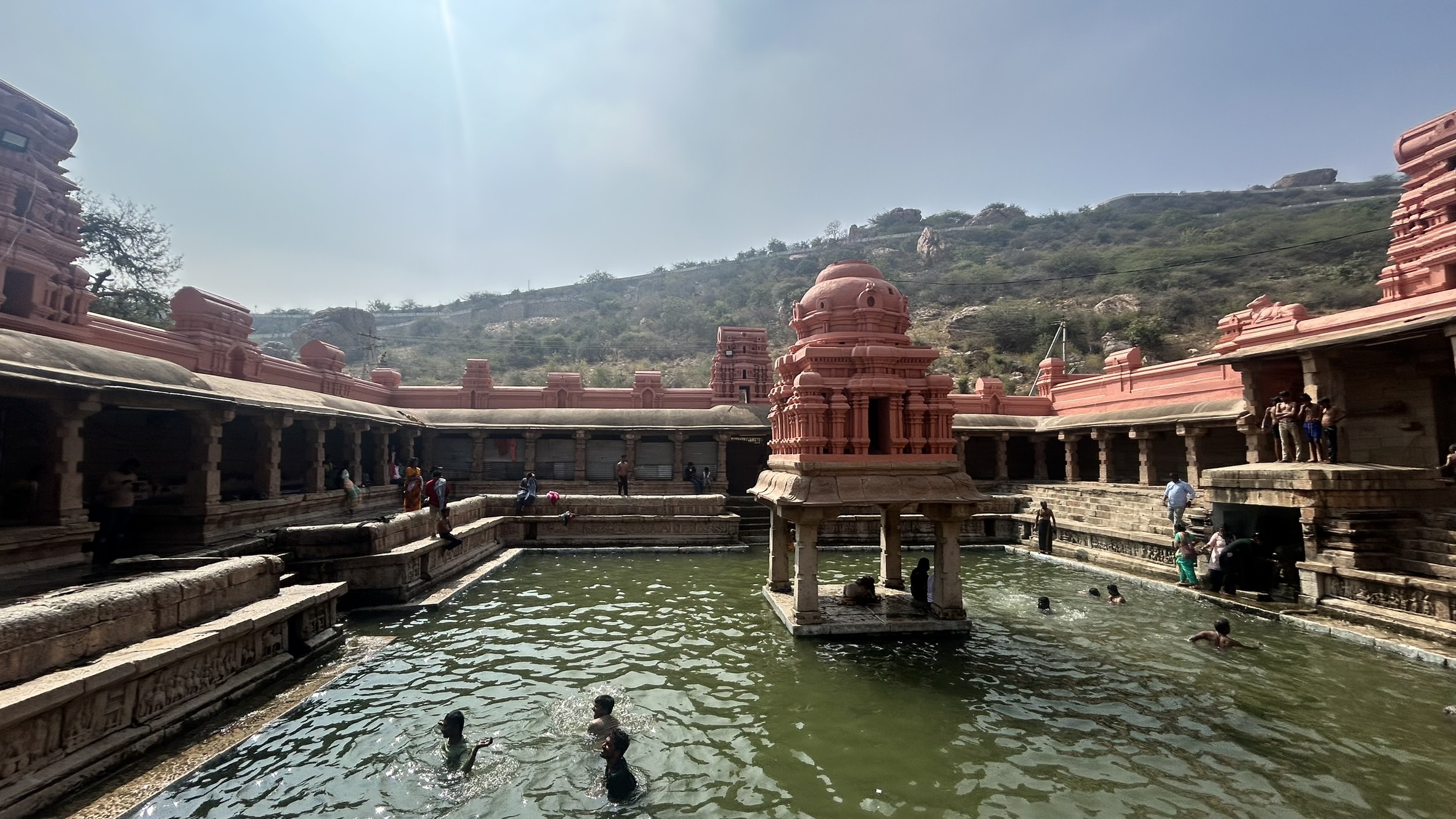
The source of the water in the Yaganti Pushkarini (holy pond) remains a mystery to this day. The water flows continuously through the mouth of a stone Nandi into the pond throughout the year, even during peak summer. This water is considered sacred and is said to possess healing properties.
Why does the Nandi idol at Yaganti grow in size?
The Yaganti Nandi is scientifically and spiritually famous for its expansion. According to the Archaeological Survey of India (ASI), the rock type used for the idol has a mineral property that causes it to enlarge by approximately 1 inch every 20 years. Spiritually, the saint Potuluri Veera Brahmendra Swamy prophesied in his Kalagnanam that the Nandi will continue to grow until the end of Kali Yuga, at which point it will come to life and roar.
Why are there no crows in Yaganti Temple?
Yaganti is widely known as the "Temple without Crows." Legend says that while Sage Agastya was performing penance, crows disturbed his meditation with their noise. He cursed them, forbidding them from ever entering the valley. Since the crow is the vehicle (Vahana) of Lord Shani, devotees believe that the negative influence of Shani Dosha cannot enter the temple premises.