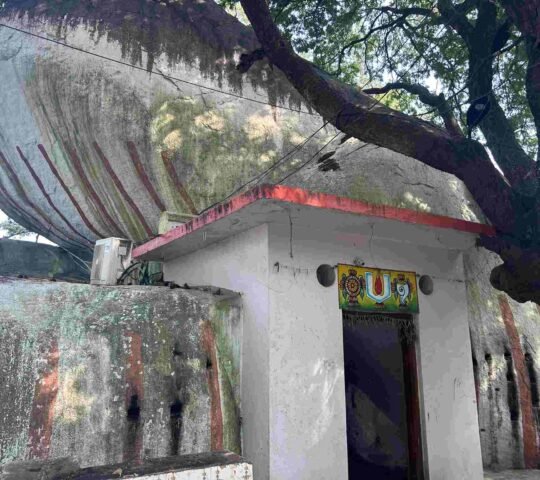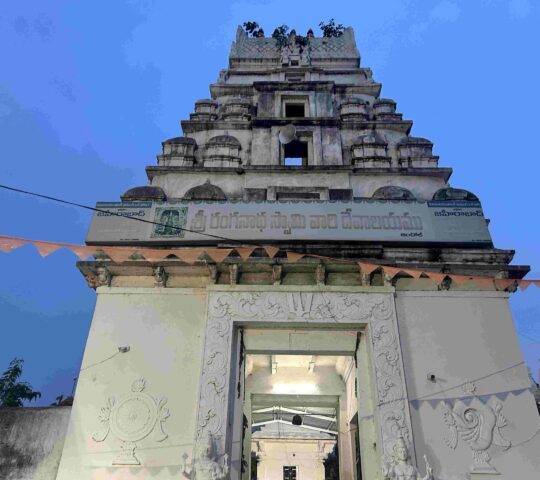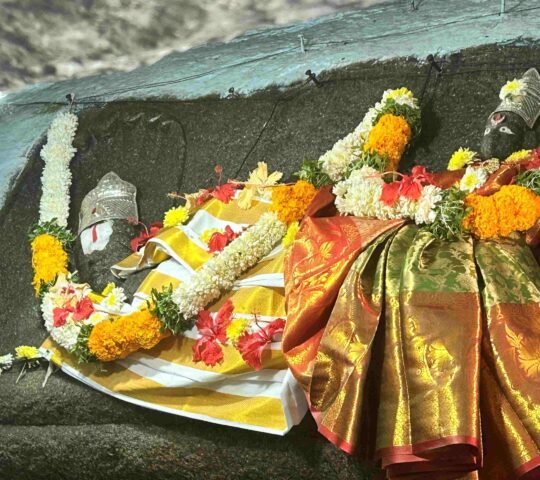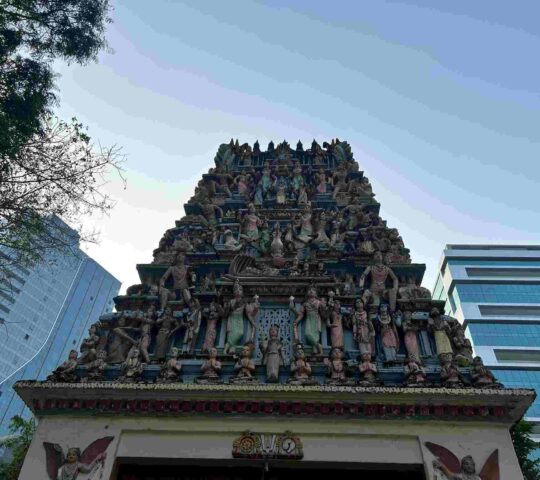
Sri Ranganayaka Swamy Temple , Shri Rangapur, Wanaparthy , Telangana 509120
Sri Ranganayaka Swamy Temple , Shri Rangapur, Wanaparthy , Telangana 509120 – History , Timings, how to reach
శ్రీ రంగనాయక స్వామి ఆలయం, శ్రీ రంగపూర్, వనపర్తి, తెలంగాణ 509120
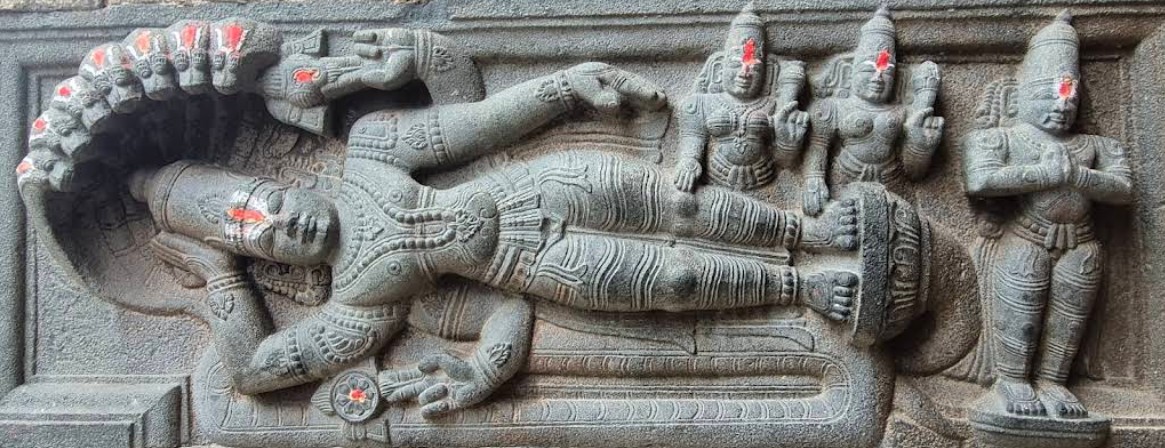
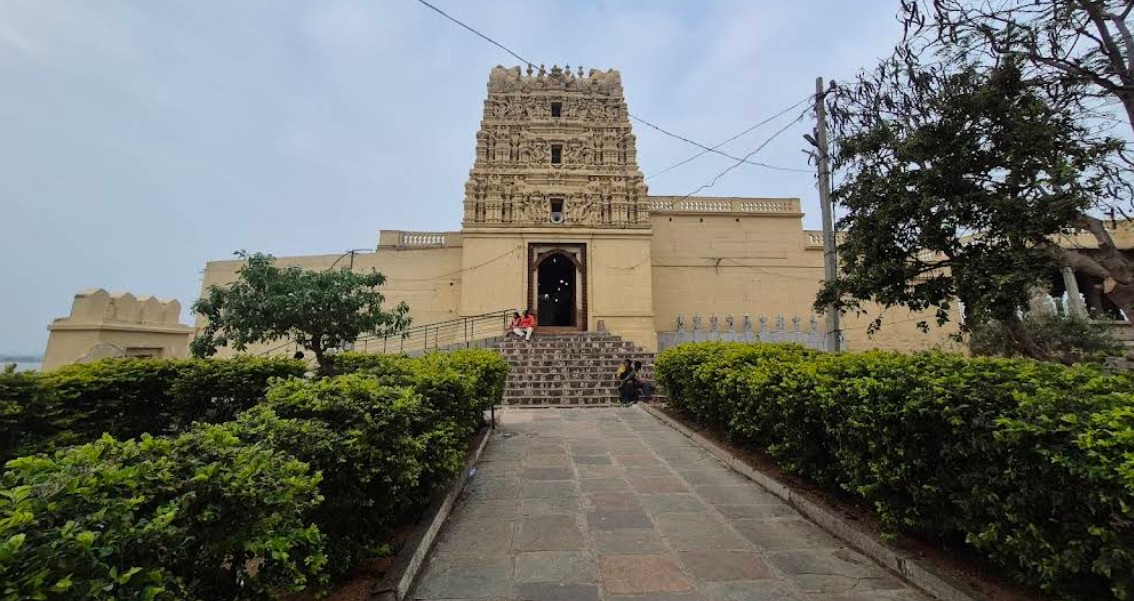
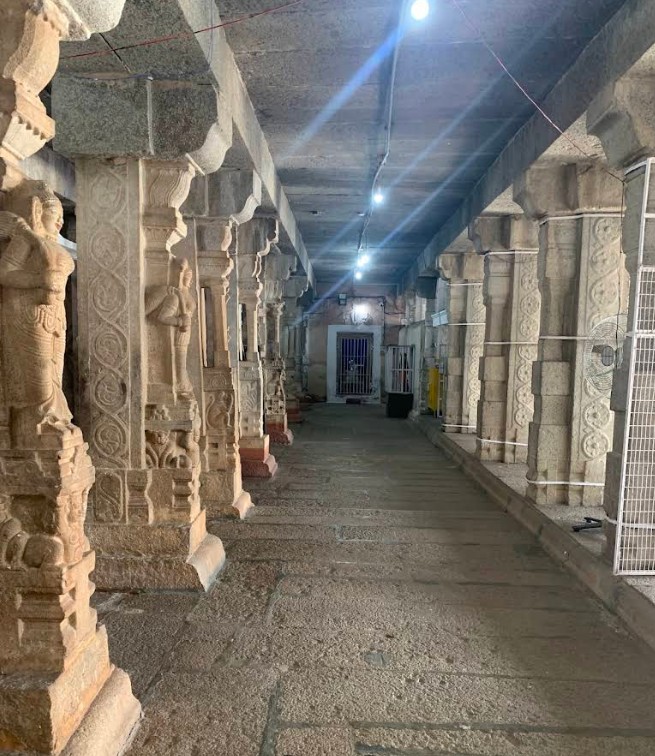
The Sri Ranganayaka Swamy Temple located in Srirangapur village near Wanaparthy in Telangana is one of the prominent Vishnu temples in the region, dedicated to Lord Ranganatha Swamy, the reclining form of Lord Vishnu on Adishesha. The temple was constructed during the Vijayanagara Empire period by the rulers of Wanaparthy Samsthan, inspired by the famous Srirangam Ranganathaswamy Temple in Tamil Nadu. A unique feature of the temple is its large Pushkarini (temple tank) that surrounds the shrine, giving it a majestic appearance similar to island temples. The temple architecture reflects traditional Dravidian style with carved pillars and mandapams. Thousands of devotees visit this temple during Vaikunta Ekadasi, Brahmotsavam, Sri Rama Navami, and other Vaishnavite festivals, making it one of the important pilgrimage destinations in Telangana.
Maps
Hightlight
-
 Airport
-
 Bus Facility
-
 Parking
-
 Taxi
Taxi

More Information
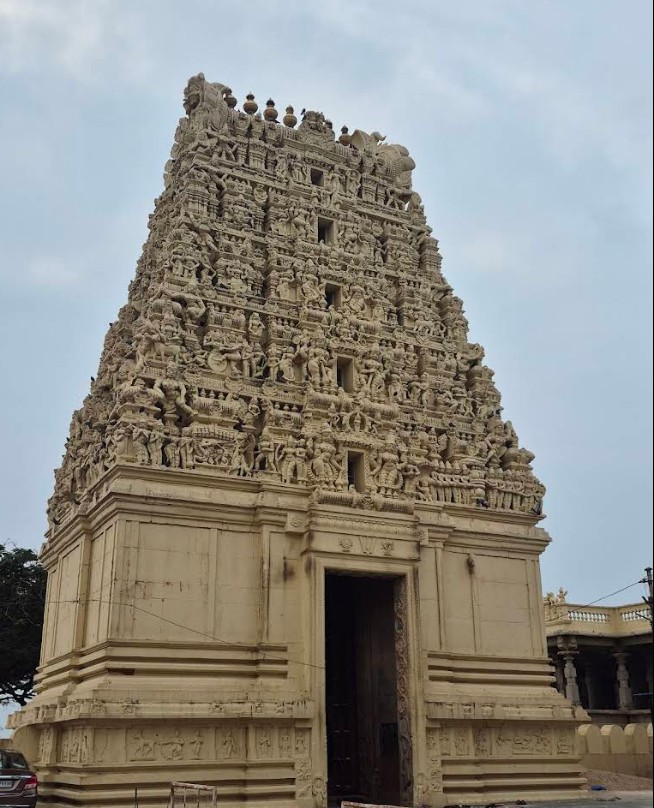
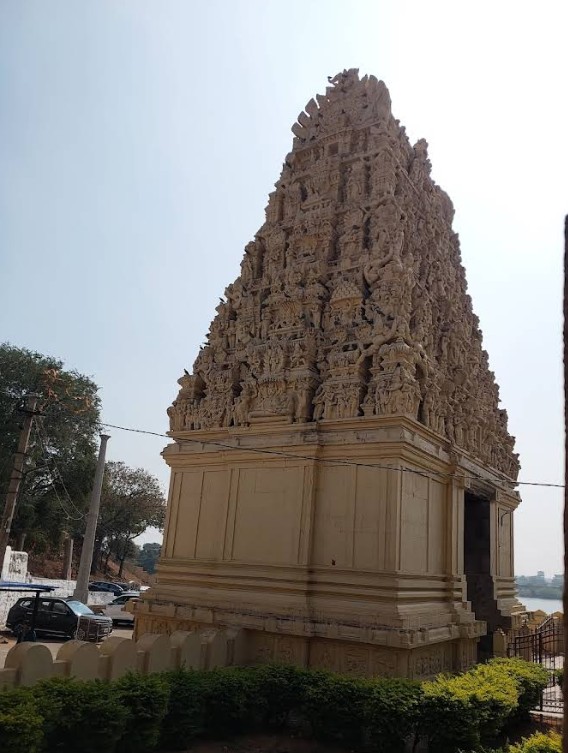
- Temple History The history of the Sri Ranganayaka Swamy Temple is a fascinating tapestry that weaves together divine intervention, the grandeur of the Vijayanagara Empire, and the local legacy of the Wanaparthy Samsthanam. According to local lore and historical texts, the temple's spiritual origin is tied to the legendary King Krishnadevaraya. While on a visit to the Srirangam temple in Tamil Nadu, the King became deeply enamored with the deity and prayed for a way to bring that divine presence to his own kingdom. Legend has it that Lord Vishnu appeared in the King's dream, informing him that an ancient idol was hidden within his territories and that an eagle would serve as a celestial guide to the location. Following the bird, the King discovered the idol of Lord Ranganatha reclining on the serpent Adisesha, nestled between the hills of Karapakala and Kothakota. While the discovery is attributed to the Vijayanagara era, the physical structure we see today is largely the result of the architectural patronage of the Wanaparthy Rajas during the 18th century. The local rulers, specifically Raja Gopal Rao and the legendary Rani Shankaramma, were instrumental in transforming the site into a major pilgrimage center. They envisioned the temple as "Dakshina Srirangam" (the Srirangam of the South) and constructed it on the banks of the Ratna Pushkarini lake. This massive reservoir, also known as the Ranga Samudram, was engineered not just for religious ablutions but also as a vital water source for the surrounding villages, showcasing the Rajas' commitment to both spiritual and civic welfare. Architecturally, the temple serves as a stunning repository of Vijayanagara and Nayaka styles. The Rajas of Wanaparthy commissioned skilled artisans to create a "Chitrasala" or art gallery within the temple complex. These galleries are famous for their unique 18th-century relief paintings and murals that depict scenes from the Ramayana and Mahabharata. What makes these artworks historically significant is their early use of perspective and vibrant natural pigments, which have survived for over two centuries. The temple’s massive Galigopuram (entrance tower) and the intricately carved stone pillars in the mandapams stand as a testament to the era when the Wanaparthy Samsthanam was a flourishing hub of Vedic culture and artistic expression. Today, the temple remains under the hereditary trusteeship of the Wanaparthy royal family descendants. It stands as a symbol of the transition from the imperial might of the Vijayanagara kings to the refined cultural sensibilities of the Telangana Samsthanams. The recent surge in its popularity as a destination wedding site has brought renewed attention to its historical significance, ensuring that the legacy of Raja Gopal Rao and the divine dream of Krishnadevaraya continue to resonate with a modern audience. శ్రీ రంగనాయక స్వామి ఆలయ చరిత్ర దైవిక జోక్యం, విజయనగర సామ్రాజ్య వైభవం మరియు వనపర్తి సంస్థాన స్థానిక వారసత్వాన్ని కలిపి అల్లిన ఒక మనోహరమైన వస్త్రం. స్థానిక పురాణాలు మరియు చారిత్రక గ్రంథాల ప్రకారం, ఈ ఆలయ ఆధ్యాత్మిక మూలం పురాణ రాజు కృష్ణదేవరాయలతో ముడిపడి ఉంది. తమిళనాడులోని శ్రీరంగం ఆలయాన్ని సందర్శించినప్పుడు, రాజు దేవత పట్ల తీవ్ర ఆకర్షితుడయ్యాడు మరియు ఆ దైవిక ఉనికిని తన సొంత రాజ్యానికి తీసుకురావడానికి ఒక మార్గం కోసం ప్రార్థించాడు. పురాణాల ప్రకారం, విష్ణువు రాజు కలలో కనిపించి, తన భూభాగంలో ఒక పురాతన విగ్రహం దాగి ఉందని మరియు ఒక డేగ ఆ ప్రదేశానికి దివ్య మార్గదర్శిగా పనిచేస్తుందని అతనికి తెలియజేశాడు. పక్షి వెంట, రాజు కరపకల మరియు కొత్తకోట కొండల మధ్య ఉన్న ఆదిశేష అనే సర్పంపై పడుకున్న రంగనాథ విగ్రహాన్ని కనుగొన్నాడు. ఈ ఆవిష్కరణ విజయనగర యుగానికి చెందినదని చెప్పబడినప్పటికీ, నేడు మనం చూస్తున్న భౌతిక నిర్మాణం ఎక్కువగా 18వ శతాబ్దంలో వనపర్తి రాజుల వాస్తుశిల్ప పోషణ ఫలితంగా ఏర్పడింది. స్థానిక పాలకులు, ముఖ్యంగా రాజ గోపాల్ రావు మరియు పురాణ రాణి శంకరమ్మ, ఈ స్థలాన్ని ఒక ప్రధాన తీర్థయాత్ర కేంద్రంగా మార్చడంలో కీలక పాత్ర పోషించారు. వారు ఆలయాన్ని "దక్షిణ శ్రీరంగం" (దక్షిణ శ్రీరంగం)గా ఊహించి రత్న పుష్కరిణి సరస్సు ఒడ్డున నిర్మించారు. రంగ సముద్రం అని కూడా పిలువబడే ఈ భారీ జలాశయం, మతపరమైన అభ్యంగనల కోసం మాత్రమే కాకుండా చుట్టుపక్కల గ్రామాలకు ముఖ్యమైన నీటి వనరుగా కూడా రూపొందించబడింది, ఇది రాజులు ఆధ్యాత్మిక మరియు పౌర సంక్షేమం రెండింటికీ నిబద్ధతను ప్రదర్శిస్తుంది. వాస్తుపరంగా, ఈ ఆలయం విజయనగర మరియు నాయక శైలుల అద్భుతమైన భాండాగారంగా పనిచేస్తుంది. వనపర్తి రాజులు ఆలయ సముదాయంలో "చిత్రశాల" లేదా ఆర్ట్ గ్యాలరీని రూపొందించడానికి నైపుణ్యం కలిగిన కళాకారులను నియమించారు. ఈ గ్యాలరీలు 18వ శతాబ్దపు ప్రత్యేకమైన రిలీఫ్ పెయింటింగ్లు మరియు రామాయణం మరియు మహాభారతం నుండి దృశ్యాలను వర్ణించే కుడ్యచిత్రాలకు ప్రసిద్ధి చెందాయి. ఈ కళాకృతులను చారిత్రాత్మకంగా ముఖ్యమైనదిగా చేసేది ఏమిటంటే, రెండు శతాబ్దాలకు పైగా మనుగడలో ఉన్న దృక్పథం మరియు శక్తివంతమైన సహజ వర్ణద్రవ్యాల ప్రారంభ ఉపయోగం. ఆలయ భారీ గాలిగోపురం (ప్రవేశ గోపురం) మరియు మండపాలలో చెక్కబడిన రాతి స్తంభాలు వనపర్తి సంస్థానము వేద సంస్కృతి మరియు కళాత్మక వ్యక్తీకరణకు కేంద్రంగా ఉన్న యుగానికి నిదర్శనంగా నిలుస్తాయి. నేడు, ఈ ఆలయం వనపర్తి రాజకుటుంబ వారసుల వంశపారంపర్య ధర్మకర్తత్వంలో ఉంది. ఇది విజయనగర రాజుల సామ్రాజ్య శక్తి నుండి తెలంగాణ సంస్థానాల యొక్క శుద్ధి చేసిన సాంస్కృతిక సున్నితత్వాలకు పరివర్తనకు చిహ్నంగా నిలుస్తుంది. గమ్యస్థాన వివాహ స్థలంగా దాని ప్రజాదరణలో ఇటీవలి పెరుగుదల దాని చారిత్రక ప్రాముఖ్యతపై కొత్త దృష్టిని ఆకర్షించింది, రాజ గోపాల్ రావు వారసత్వం మరియు కృష్ణదేవరాయల దైవిక కల ఆధునిక ప్రేక్షకులతో ప్రతిధ్వనిస్తూనే ఉన్నాయని నిర్ధారిస్తుంది.
-
Sub Temples
The temple complex follows the Pancharatra Agama tradition, featuring several important shrines:
🛕Lord Ranganayaka Swamy, seen in a Sheshashayana (reclining) posture on the serpent Adisesha.
🛕Located in front of the main reclining idol are the processional deities (Utsava Murthis) of Sreedevi and Bhoodevi, who always accompany the Lord.
🛕Goddess Ranganayaki: Just like the original Srirangam temple, there is a dedicated sanctum for the Lord's consort, Goddess Ranganayaki (a form of Lakshmi).
🛕Alvars and Acharyas: There are smaller shrines or representations dedicated to the 12 Alvars (Vaishnava saints) and prominent Acharyas like Ramanujacharya, as is common in Sri Vaishnava temples.
🛕Garuda: Facing the main sanctum is a dedicated shrine for Garuda, the vahana (vehicle) of Lord Vishnu, standing in a posture of eternal service.
🛕Dasavatara: The temple architecture itself is a "shrine" to the ten incarnations of Vishnu, with the Dasavatara motifs intricately carved into the pillars and walls.
ఈ ఆలయ సముదాయం 'పాంచరాత్ర ఆగమ' సంప్రదాయాన్ని అనుసరిస్తుంది మరియు ఇందులో అనేక ముఖ్యమైన సన్నిధులు ఉన్నాయి:
🛕 శ్రీ రంగనాయక స్వామి: ఆదిశేషునిపై శేషశయన (శయనించిన) భంగిమలో దర్శనమిస్తారు.
🛕 ప్రధాన శయన మూర్తికి ఎదురుగా, స్వామిని ఎల్లప్పుడూ అనుసరించే శ్రీదేవి మరియు భూదేవి అమ్మవార్ల ఉత్సవ మూర్తులు కొలువై ఉన్నాయి.
🛕 శ్రీ రంగనాయకి అమ్మవారు: శ్రీరంగం మూల ఆలయంలో వలెనే, స్వామివారి దేవేరి అయిన శ్రీ రంగనాయకి అమ్మవారికి (లక్ష్మీదేవి స్వరూపం) ఇక్కడ ఒక ప్రత్యేక గర్భగుడి ఉంది.
🛕 ఆళ్వారులు మరియు ఆచార్యులు: శ్రీ వైష్ణవ ఆలయాలలో సాధారణంగా కనిపించే విధంగానే, 12 మంది ఆళ్వారులకు (వైష్ణవ భక్తులు) మరియు రామానుజాచార్యుల వంటి ప్రముఖ ఆచార్యులకు అంకితం చేయబడిన చిన్న సన్నిధులు లేదా ప్రతిమలు ఇక్కడ ఉన్నాయి.
🛕 గరుత్మంతుడు: ప్రధాన గర్భగుడికి ఎదురుగా, శ్రీ మహావిష్ణువు వాహనమైన గరుత్మంతుని కోసం ఒక ప్రత్యేక సన్నిధి ఉంది; ఆయన నిత్య సేవానిరతుడై నిలబడిన భంగిమలో దర్శనమిస్తారు.
🛕 దశావతారాలు: ఈ ఆలయ వాస్తుశిల్పమే శ్రీ మహావిష్ణువు యొక్క దశావతారాలకు ఒక 'సన్నిధి'గా నిలుస్తుంది; ఆలయ స్తంభాలు మరియు గోడలపై దశావతారాల రూపాలు అత్యంత సుందరంగా, కళాత్మకంగా చెక్కబడి ఉన్నాయి. -
Things to Cover
🙏🏼Take darshan & blessings of Sri Ranganayaka Swamy , ammavaru and other deities present in the temple
🙏🏼 ఆలయంలో కొలువై ఉన్న శ్రీ రంగనాయక స్వామి, అమ్మవారు మరియు ఇతర దైవాల దర్శనం, ఆశీస్సులు పొందండి. -
Dress Code
🥻Traditional Dress
🥻సాంప్రదాయ దుస్తులు -
Pooja Details
🌹Archana Tickets: Available at the counter for approximately ₹20.
🌹Weddings & Tonsure: The temple is famous for performing Samoohika Kalyanam (mass weddings) and individual weddings, facilitating over 300 annually. Tonsure ceremonies (head-shaving) are also a major ritual here for fulfilling vows.
🌹Friday Special: Special Abhishekam and Alankaram are usually performed for Goddess Ranganayaki on Fridays.
🌹అర్చన టికెట్లు: కౌంటర్ వద్ద సుమారు ₹20 ధరకు లభిస్తాయి.
🌹వివాహాలు & తలనీలాలు: సామూహిక కళ్యాణాలు మరియు వ్యక్తిగత వివాహాలను నిర్వహించడంలో ఈ ఆలయం ప్రసిద్ధి చెందింది; ఇక్కడ ఏటా 300కు పైగా వివాహాలు జరుగుతాయి. మొక్కులు తీర్చుకోవడానికి తలనీలాలు సమర్పించడం (తల గుండు చేయించుకోవడం) కూడా ఇక్కడ ఒక ప్రధాన ఆచారం.
🌹శుక్రవారాల ప్రత్యేకత: సాధారణంగా శుక్రవారాల్లో శ్రీ రంగనాయకి అమ్మవారికి ప్రత్యేక అభిషేకాలు మరియు అలంకరణలు నిర్వహిస్తారు. -
Festivals / Jaatra
🌹Kotai Utsavalu (Sankranthi): Celebrated for an entire month starting from Sankranthi (January). It attracts over 5,000 devotees daily.
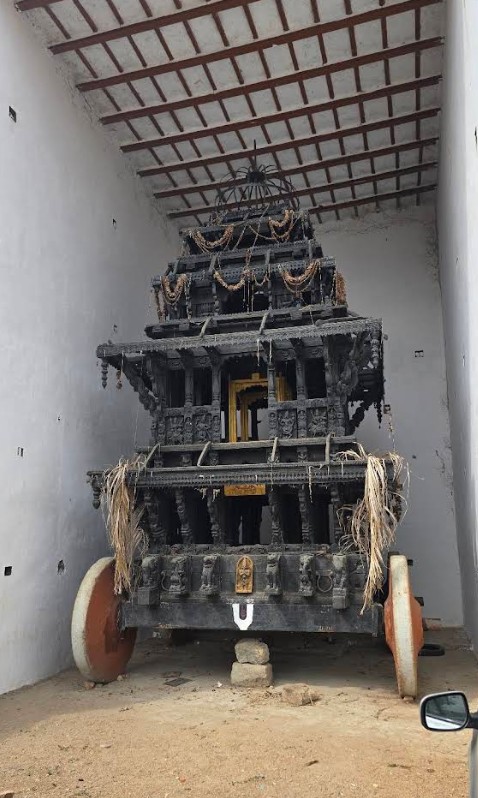
🌹Rathotsavam (Brahmotsavalu): The biggest annual event, held in March (15 days before Ugadi). The deity is taken on a massive wooden chariot (Ratham), and the event draws over 20,000 people per day.
🌹Sravana Masam (August/September): Special prayers are held during this holy month, with the surrounding lake adding to the scenic beauty.
🌹Navaratri: Celebrated grandly for nine days with special decorations and alankaram
🌹కోటై ఉత్సవలు (సంక్రాంతి): సంక్రాంతి (జనవరి) నుండి ప్రారంభమై నెల రోజుల పాటు జరుపుకుంటారు. ఇది ప్రతిరోజూ 5,000 మందికి పైగా భక్తులను ఆకర్షిస్తుంది.
🌹రథోత్సవం (బ్రహ్మోత్సవాలు): మార్చిలో (ఉగాదికి 15 రోజుల ముందు) జరిగే అతిపెద్ద వార్షిక ఉత్సవం. దేవతను భారీ చెక్క రథం (రథం)పై తీసుకువెళతారు మరియు ఈ కార్యక్రమానికి రోజుకు 20,000 మందికి పైగా ప్రజలు వస్తారు.
🌹శ్రావణ మాసం (ఆగస్టు/సెప్టెంబర్): ఈ పవిత్ర మాసంలో ప్రత్యేక ప్రార్థనలు జరుగుతాయి, చుట్టుపక్కల ఉన్న సరస్సు ప్రకృతి అందాలను మరింత పెంచుతుంది.
🌹నవరాత్రి: ప్రత్యేక అలంకరణలు మరియు అలంకారాలతో తొమ్మిది రోజులు ఘనంగా జరుపుకుంటారు. -
Travel Guide
🚌By Road: From Wanaparthy: ~25 km.
From Pebbair (on NH44): ~10 km.
From Hyderabad: ~160 km (about a 3.5-hour drive via the Bangalore Highway/NH44).
🚉By Train: The nearest railway station is Gadwal (~40 km away). You can take a bus or taxi from there.
🛩️By Air: The nearest airport is Rajiv Gandhi International Airport (Hyderabad), about 120 km away.
🚌 రహదారి మార్గం ద్వారా: వనపర్తి నుండి: ~25 కి.మీ.
పెబ్బేరు నుండి (NH44 పై): ~10 కి.మీ.
హైదరాబాద్ నుండి: ~160 కి.మీ. (బెంగళూరు హైవే/NH44 మీదుగా సుమారు 3.5 గంటల ప్రయాణం).
🚉 రైలు మార్గం ద్వారా: సమీప రైల్వే స్టేషన్ గద్వాల్ (~40 కి.మీ. దూరంలో ఉంది). అక్కడి నుండి మీరు బస్సు లేదా టాక్సీని తీసుకోవచ్చు.
🛩️ విమాన మార్గం ద్వారా: సమీప విమానాశ్రయం రాజీవ్ గాంధీ అంతర్జాతీయ విమానాశ్రయం (హైదరాబాద్), ఇది సుమారు 120 కి.మీ. దూరంలో ఉంది.
FAQ's
Do we have parking?
Yes parking is available at this temple
How to reach this temple ?
By Road: * From Wanaparthy: ~25 km. From Pebbair (on NH44): ~10 km. From Hyderabad: ~160 km (about a 3.5-hour drive via the Bangalore Highway/NH44). By Train: The nearest railway station is Gadwal (~40 km away). You can take a bus or taxi from there. By Air: The nearest airport is Rajiv Gandhi International Airport (Hyderabad), about 120 km away.
What are the festivals celebrated at this temple?
Kotai Utsavalu (Sankranthi): Celebrated for an entire month starting from Sankranthi (January). It attracts over 5,000 devotees daily. Rathotsavam (Brahmotsavalu): The biggest annual event, held in March (15 days before Ugadi). The deity is taken on a massive wooden chariot (Ratham), and the event draws over 20,000 people per day. Sravana Masam (August/September): Special prayers are held during this holy month, with the surrounding lake adding to the scenic beauty. Navaratri: Celebrated grandly for nine days with special decorations and alankaram