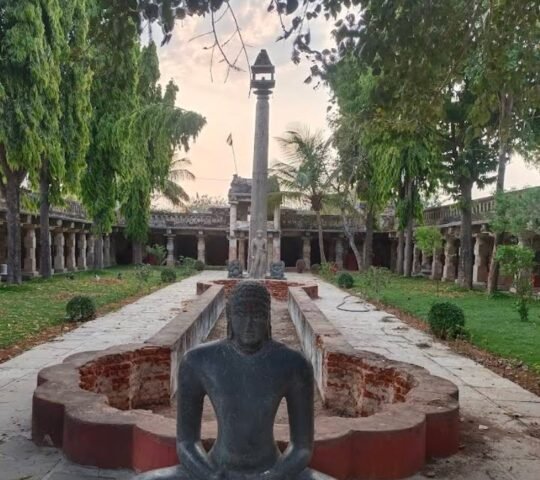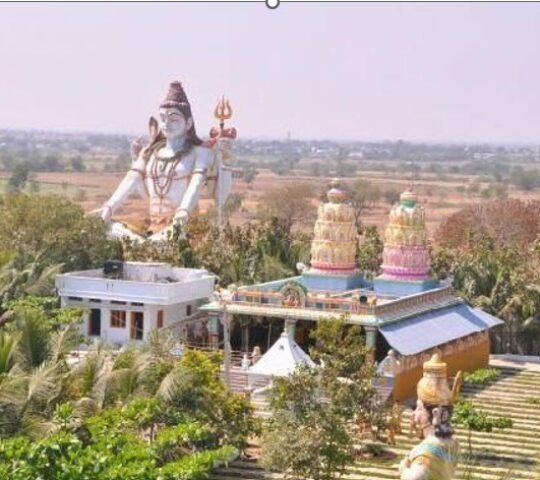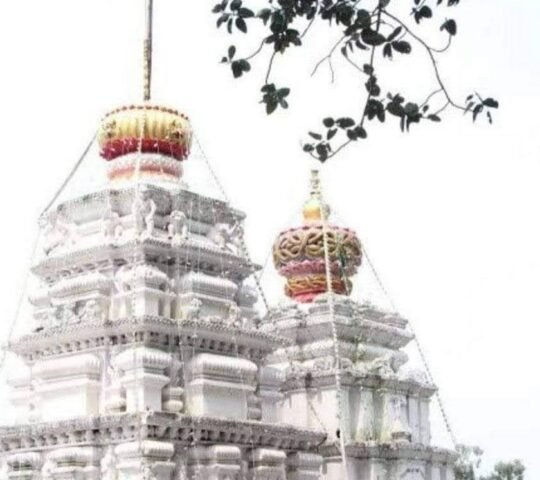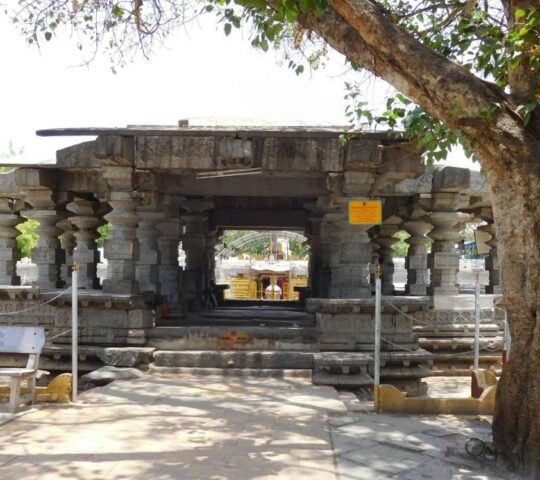
Thousand Pillar Temple , 1000 Pillar Temple , Hanamkonda, Telangana 506011
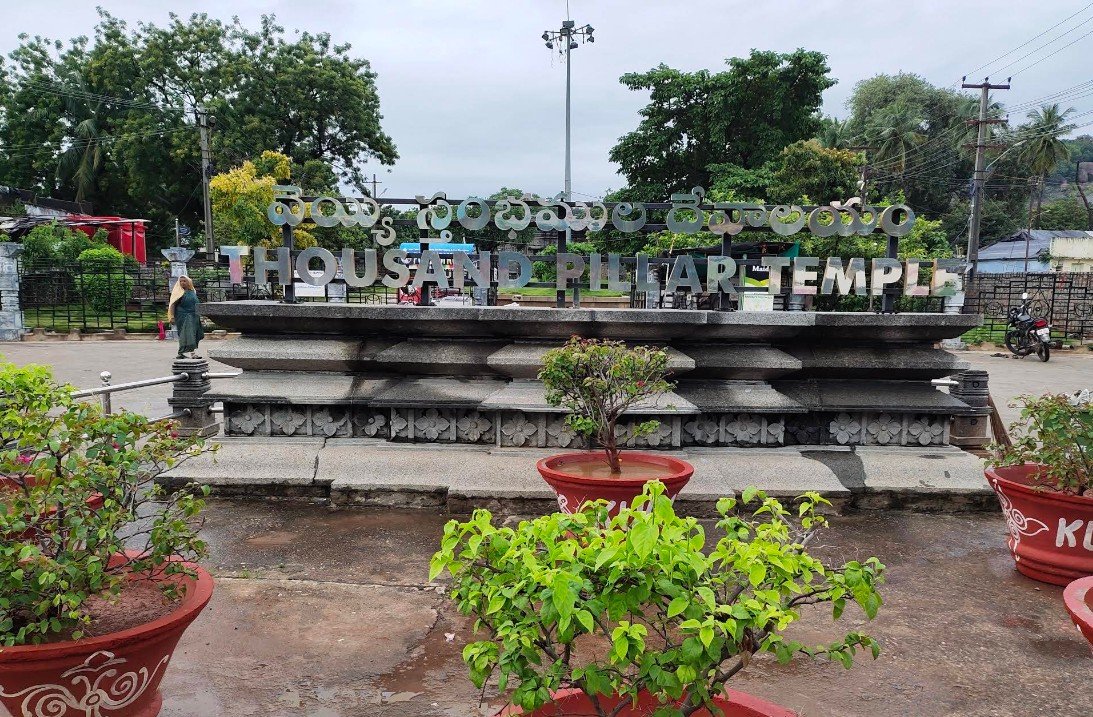
Thousand Pillar Temple , 1000 Pillar Temple , Hanamkonda, Telangana 506011 – History , Festivals, Timings
వెయ్యి స్తంభాల గుడి, హనుమకొండ, తెలంగాణ 506011 – చరిత్ర, పండుగలు, వేళలు
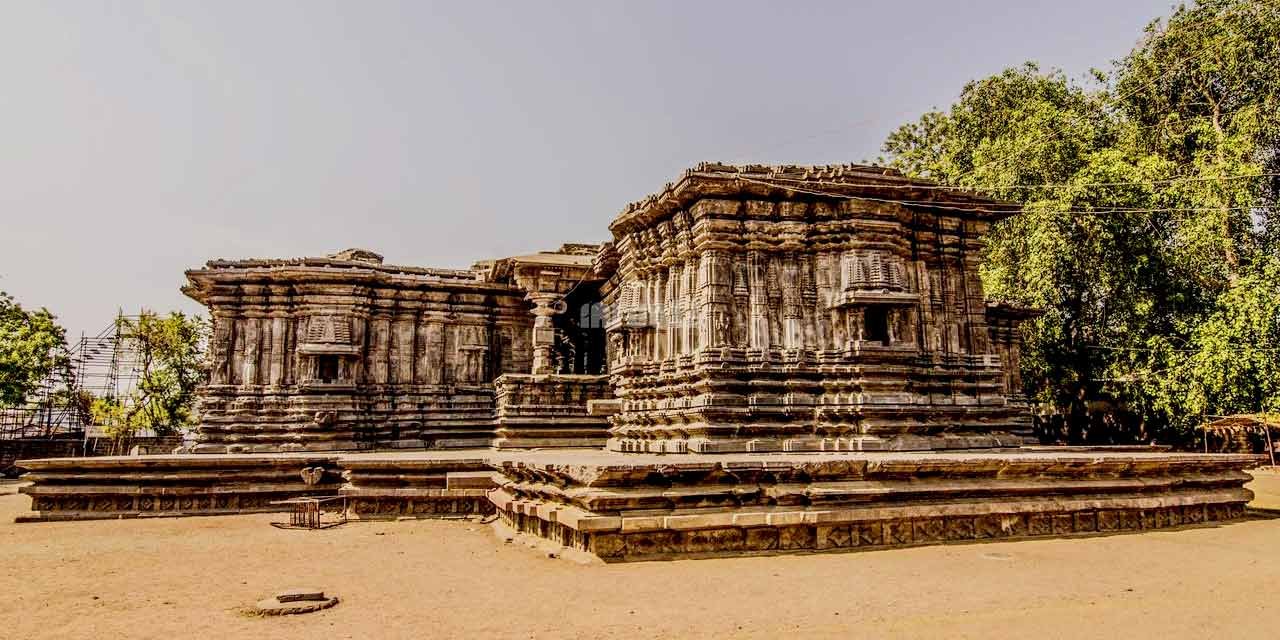
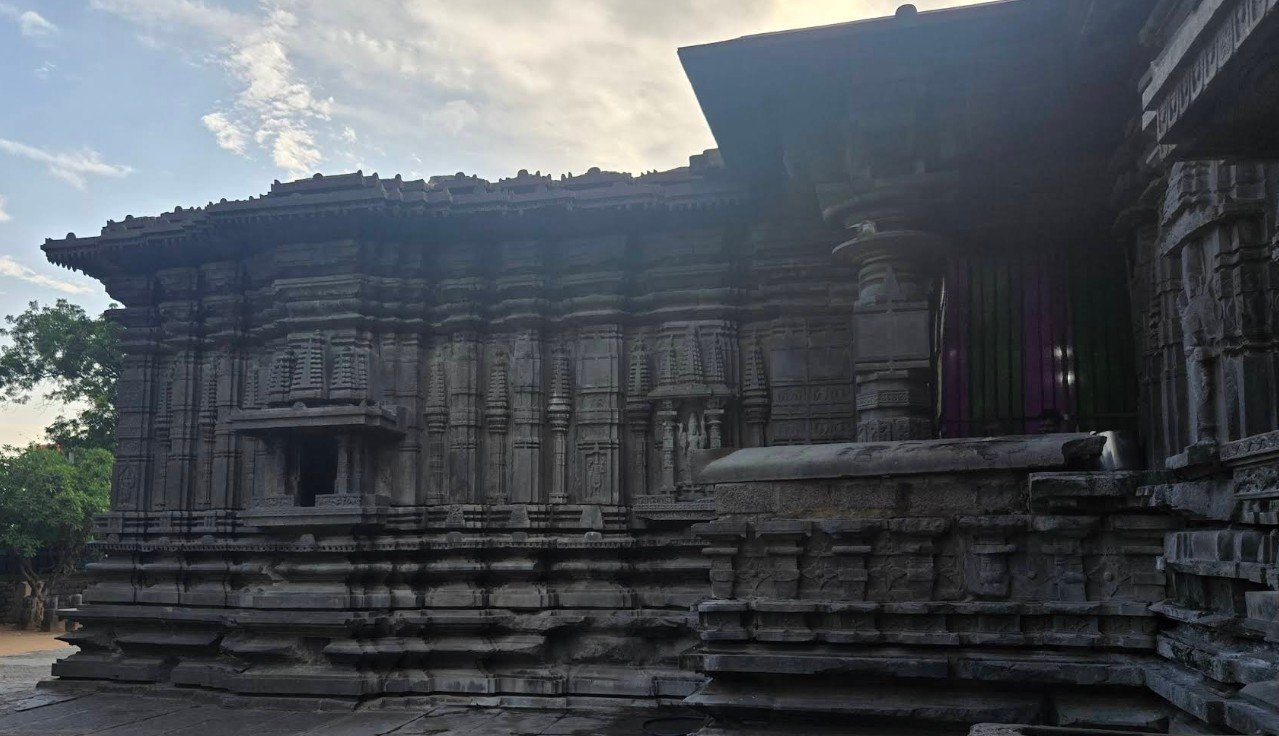
Located in Hanamkonda, Telangana , the Thousand Pillar Temple—also known as the 1000 Pillar Temple—was built in the 12th century by the Kakatiya ruler Rudra Deva. Dedicated to Lord Shiva, Lord Vishnu, and Lord Surya, this historic temple is renowned for its exquisite stone carvings, finely sculpted pillars, and unique star-shaped architectural design. A major spiritual and tourist attraction, the temple reflects the artistic excellence and religious significance of the Kakatiya dynasty and continues to draw devotees and history enthusiasts from across India.
Maps
Contact
Hightlight
-
 Airport
-
 Bus Facility
-
 Parking
-
 Taxi
Taxi

More Information
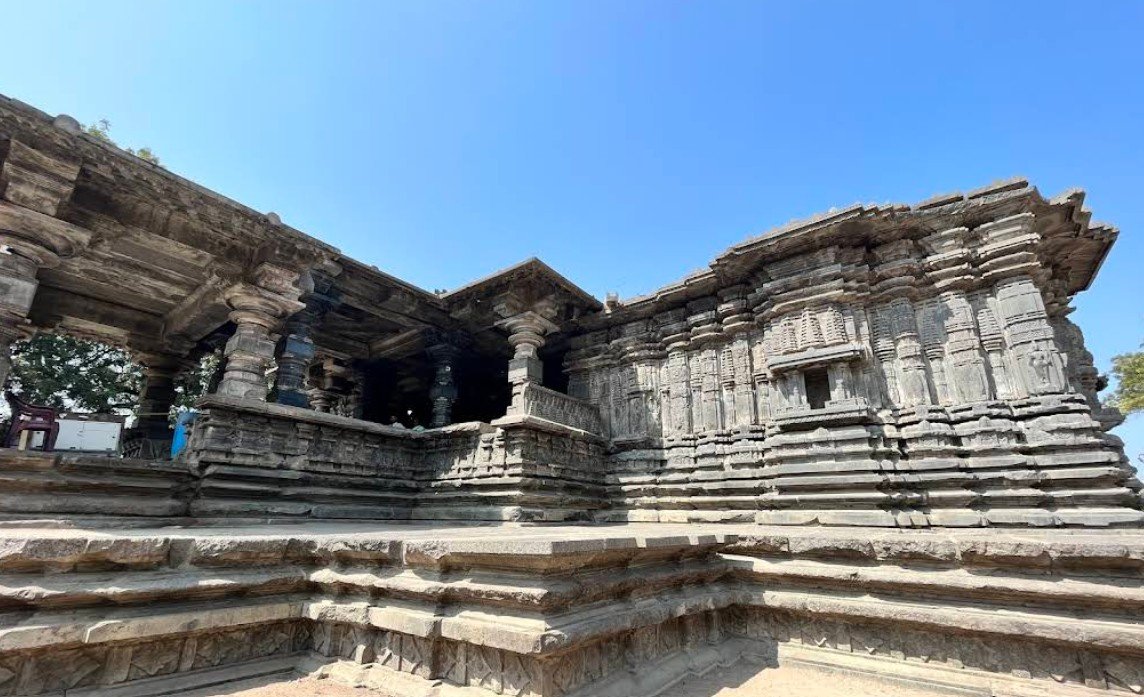
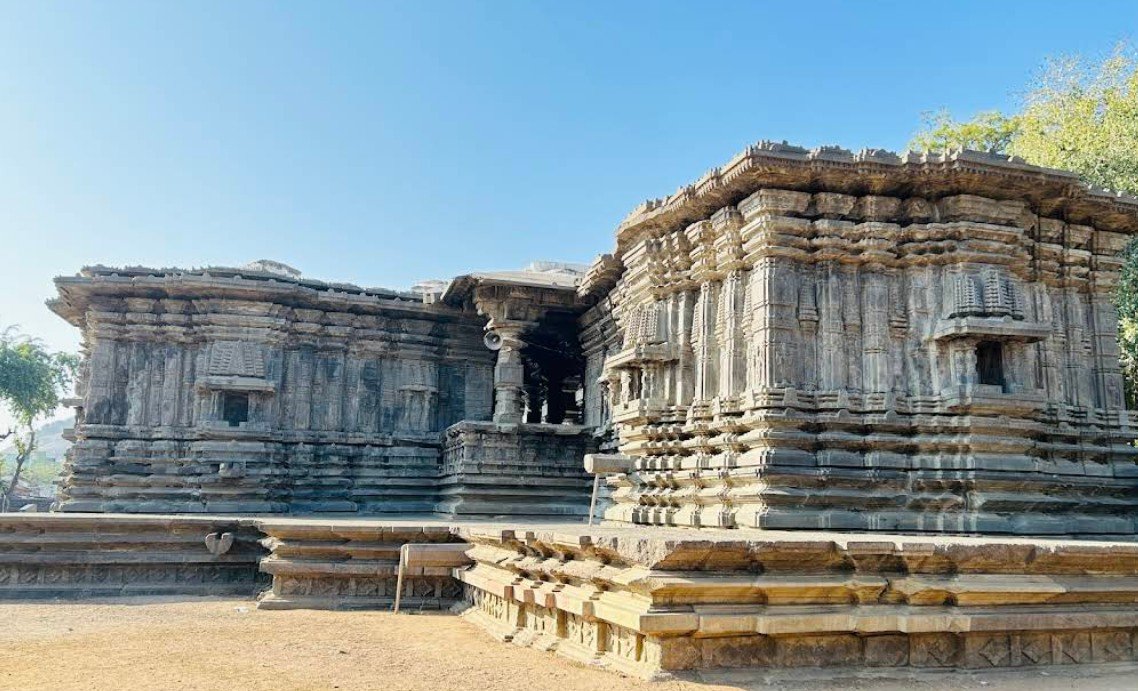
- Temple History The 1000 Pillar Temple, officially known as the Sri Rudreshwara Swamy Temple, stands as a magnificent testament to the "Golden Age" of the Kakatiya Dynasty. Commissioned in 1163 AD by King Rudra Deva, the temple was built during a pivotal era when the Kakatiyas were transitioning from being vassals of the Western Chalukyas to becoming an independent imperial power. This architectural wonder was strategically located in Hanamkonda, the first capital of the Kakatiyas, and took several decades to reach its full splendor. It serves as a lithic record of King Rudra Deva’s military triumphs and his devotion to the deities, blending spiritual sanctity with the political might of a rising empire. Architecturally, the temple is a pioneer of the Trikutalayam (triple-shrine) style, featuring three distinct sanctums dedicated to Lord Shiva (Rudreshwara), Lord Vishnu, and Lord Surya. These shrines are arranged on a unique star-shaped platform, a hallmark of Kakatiya engineering that allows light to play across the intricate carvings at various angles throughout the day. The temple's namesake—its one thousand pillars—is a feat of spatial design; the pillars are so densely packed yet precisely aligned that they never obstruct the view of the deities from the center of the hall. The use of highly polished black basalt and granite gives the carvings a metallic sheen that remains vibrant even after eight centuries. The temple’s history is also one of incredible resilience. In the 14th century, the site faced significant desecration during the Tughlaq dynasty invasions from the Delhi Sultanate. Many of its peripheral structures, including the grand Kalyana Mandapam (marriage hall), were dismantled or damaged. However, the core shrines remained standing, protected by their massive stone foundations and the "Sand-box" engineering technique, which made the structure naturally earthquake-resistant. For centuries, the temple stood as a silent witness to the changing tides of Deccan history, from the fall of the Kakatiyas to the subsequent rule of the Bahmanis and the Nizams. In the modern era, the 1000 Pillar Temple has regained its status as a global heritage icon. It is currently protected by the Archaeological Survey of India (ASI), which has undertaken a massive, years-long project to reconstruct the fallen Kalyana Mandapam using the original stones. Today, the temple is not only a place of active worship but also a key component of the UNESCO World Heritage narrative in Telangana. Its breathtaking Nandi monolith and the "mirror-finish" pillars continue to draw thousands of pilgrims and history buffs, ensuring that the legacy of King Rudra Deva’s masterpiece continues to inspire future generations. అధికారికంగా శ్రీ రుద్రేశ్వర స్వామి ఆలయం అని పిలువబడే 1000 స్తంభాల ఆలయం, కాకతీయ రాజవంశం యొక్క "స్వర్ణయుగం"కి అద్భుతమైన సాక్ష్యంగా నిలుస్తుంది. రాజు రుద్రదేవుడు 1163 ADలో నియమించబడిన ఈ ఆలయం, కాకతీయులు పశ్చిమ చాళుక్యుల సామంతులుగా నుండి స్వతంత్ర సామ్రాజ్య శక్తిగా మారుతున్న కీలకమైన యుగంలో నిర్మించబడింది. ఈ నిర్మాణ అద్భుతం కాకతీయుల మొదటి రాజధాని హన్మకొండలో వ్యూహాత్మకంగా ఉంది మరియు దాని పూర్తి వైభవాన్ని చేరుకోవడానికి అనేక దశాబ్దాలు పట్టింది. ఇది రాజు రుద్రదేవుడి సైనిక విజయాలు మరియు దేవతల పట్ల ఆయనకున్న భక్తికి శిలా రికార్డుగా పనిచేస్తుంది, ఆధ్యాత్మిక పవిత్రతను పెరుగుతున్న సామ్రాజ్యం యొక్క రాజకీయ శక్తితో మిళితం చేస్తుంది. వాస్తుపరంగా, ఈ ఆలయం త్రికూటాలయం (త్రి-క్షేత్రం) శైలికి మార్గదర్శకం, ఇందులో శివుడు (రుద్రేశ్వరుడు), విష్ణువు మరియు సూర్యుడికి అంకితం చేయబడిన మూడు విభిన్న గర్భగుడిలు ఉన్నాయి. ఈ మందిరాలు ఒక ప్రత్యేకమైన నక్షత్ర ఆకారపు వేదికపై ఏర్పాటు చేయబడ్డాయి, ఇది కాకతీయ ఇంజనీరింగ్ యొక్క ముఖ్య లక్షణం, ఇది రోజంతా వివిధ కోణాల్లో క్లిష్టమైన శిల్పాలపై కాంతిని ప్రసరింపజేస్తుంది. ఆలయ పేరు - దాని వెయ్యి స్తంభాలు - ప్రాదేశిక రూపకల్పన యొక్క ఒక అద్భుతం; స్తంభాలు చాలా దట్టంగా నిండి ఉన్నాయి, కానీ ఖచ్చితంగా సమలేఖనం చేయబడ్డాయి, అవి హాల్ మధ్య నుండి దేవతల వీక్షణను ఎప్పుడూ అడ్డుకోవు. బాగా మెరుగుపెట్టిన నల్ల బసాల్ట్ మరియు గ్రానైట్ వాడకం వల్ల చెక్కడాలకు ఎనిమిది శతాబ్దాల తర్వాత కూడా ఉత్సాహంగా ఉండే లోహ మెరుపు లభిస్తుంది. ఆలయ చరిత్ర కూడా అద్భుతమైన స్థితిస్థాపకత కలిగి ఉంది. 14వ శతాబ్దంలో, ఢిల్లీ సుల్తానేట్ నుండి తుగ్లక్ రాజవంశం దండయాత్రల సమయంలో ఈ ప్రదేశం గణనీయమైన అపవిత్రతను ఎదుర్కొంది. గ్రాండ్ కళ్యాణ మండపం (వివాహ మందిరం)తో సహా దాని పరిధీయ నిర్మాణాలు చాలా కూల్చివేయబడ్డాయి లేదా దెబ్బతిన్నాయి. అయినప్పటికీ, ప్రధాన మందిరాలు వాటి భారీ రాతి పునాదులు మరియు "ఇసుక పెట్టె" ఇంజనీరింగ్ సాంకేతికత ద్వారా రక్షించబడ్డాయి, ఇది నిర్మాణాన్ని సహజంగా భూకంప నిరోధకతను కలిగి ఉంది. శతాబ్దాలుగా, కాకతీయుల పతనం నుండి బహమనీలు మరియు నిజాంల పాలన వరకు దక్కన్ చరిత్రలో మారుతున్న మార్పులకు ఈ ఆలయం నిశ్శబ్ద సాక్షిగా నిలిచింది. ఆధునిక యుగంలో, 1000 స్తంభాల ఆలయం ప్రపంచ వారసత్వ చిహ్నంగా తన హోదాను తిరిగి పొందింది. ఇది ప్రస్తుతం భారత పురావస్తు సర్వే సంస్థ (ASI) ద్వారా రక్షించబడుతోంది, ఇది పడిపోయిన కల్యాణ మండపాన్ని అసలు రాళ్లను ఉపయోగించి పునర్నిర్మించడానికి సంవత్సరాల తరబడి భారీ ప్రాజెక్టును చేపట్టింది. నేడు, ఈ ఆలయం చురుకైన ఆరాధన స్థలం మాత్రమే కాదు, తెలంగాణలోని UNESCO ప్రపంచ వారసత్వ కథనంలో కీలకమైన అంశం కూడా. దాని ఉత్కంఠభరితమైన నంది ఏకశిలా మరియు "అద్దం-ముగింపు" స్తంభాలు వేలాది మంది యాత్రికులను మరియు చరిత్ర ప్రియులను ఆకర్షిస్తూనే ఉన్నాయి, రాజు రుద్ర దేవ యొక్క కళాఖండం యొక్క వారసత్వం భవిష్యత్ తరాలకు స్ఫూర్తినిస్తూనే ఉందని నిర్ధారిస్తుంది.
-
Sub Temples
The temple is unique because it houses three deities in a single, interconnected star-shaped structure. Each shrine faces the central hall (Ranga Mandapam):
🛕Sri Rudreshwara Swamy (Lord Shiva): This is the primary and most active shrine, located on the East side, facing West. It houses a magnificent Shiva Lingam.
🛕Lord Vishnu (Vasudeva): Located on the West side, facing East. The idol is a beautiful representation of Lord Vishnu in his standing posture.
🛕Lord Surya (The Sun God): Located on the North side, facing South. It is rare to find a dedicated Surya shrine within a Shiva temple complex, making this a significant point of interest for pilgrims.
ఈ ఆలయం ప్రత్యేకమైనది, ఎందుకంటే ఇది ఒకే, అంతర్గతంగా అనుసంధానించబడిన నక్షత్ర ఆకారపు నిర్మాణంలో మూడు దేవతా విగ్రహాలను కలిగి ఉంది. ప్రతి గర్భగుడి కేంద్ర మండపం (రంగ మండపం) వైపు ఉంటుంది:
🛕శ్రీ రుద్రేశ్వర స్వామి (శివుడు): ఇది తూర్పు వైపున, పడమర ముఖంగా ఉన్న ప్రధాన మరియు అత్యంత క్రియాశీలమైన గర్భగుడి. ఇందులో ఒక అద్భుతమైన శివలింగం ఉంది.
🛕విష్ణువు (వాసుదేవుడు): ఇది పడమర వైపున, తూర్పు ముఖంగా ఉంది. ఈ విగ్రహం నిలబడిన భంగిమలో ఉన్న విష్ణుమూర్తి యొక్క అందమైన రూపం.
🛕సూర్య భగవానుడు: ఇది ఉత్తరం వైపున, దక్షిణం ముఖంగా ఉంది. శివాలయ సముదాయంలో ప్రత్యేక సూర్య దేవాలయం ఉండటం చాలా అరుదు, ఇది భక్తులకు ఒక ముఖ్యమైన ఆకర్షణగా నిలుస్తుంది. -
Things to Cover
🙏🏼Take darshan & blessings of Lord Shiva and other deities present in this temple
🙏🏼ఈ ఆలయంలో కొలువై ఉన్న శివుడిని మరియు ఇతర దేవతలను దర్శించుకుని ఆశీస్సులు పొందండి. -
Dress Code
🥻Traditional Dress
🥻సాంప్రదాయ దుస్తులు -
Pooja Details
🌹Abhishekam (Holy Bath):
🌹Archana:
🌹Aarti (Deeparadhana)
🌹Kumkuma Puja
🌹అభిషేకం (పవిత్ర స్నానం):
🌹అర్చన:
🌹ఆరతి (దీపారాధన)
🌹కుంకుమ పూజ -
Festivals / Jaatra
Festivals Celebrated at 1000 Pillars Temple:
🌹Maha Shivaratri: The biggest festival here, attracting thousands of pilgrims for overnight vigils and special rituals.
🌹Karthika Masam: Special deepotsavam (lighting of lamps) is held throughout this holy month.
Sravana Masam: Special pujas are dedicated to Lord Shiva.
🌹Bathukamma & Bonalu: These regional festivals of Telangana are celebrated with great local pomp and cultural performances.
వెయ్యి స్తంభాల దేవాలయంలో జరుపుకునే పండుగలు:
🌹మహా శివరాత్రి: ఇక్కడ జరుపుకునే అతిపెద్ద పండుగ ఇది, దీనికి వేలాది మంది భక్తులు రాత్రి జాగరణలు మరియు ప్రత్యేక పూజల కోసం తరలివస్తారు.
🌹కార్తీక మాసం: ఈ పవిత్ర మాసం పొడవునా ప్రత్యేక దీపోత్సవం (దీపాలను వెలిగించడం) నిర్వహిస్తారు.
శ్రావణ మాసం: శివునికి ప్రత్యేక పూజలు నిర్వహిస్తారు.
🌹బతుకమ్మ మరియు బోనాలు: తెలంగాణకు చెందిన ఈ ప్రాంతీయ పండుగలను స్థానిక వైభవంగా మరియు సాంస్కృతిక ప్రదర్శనలతో ఘనంగా జరుపుకుంటారు. -
Travel Guide
How to reach 1000 Pillar Temple:
🚌By Road: Hanamkonda is well-connected by a robust network of highways. It is approximately 150 km from Hyderabad. RegulaHor TSRTC buses and private taxis are available from Hyderabad, Karimnagar, and Khammam.
🚉By Rail: The nearest major railway station is Warangal Railway Station (5 km) or Kazipet Junction (7 km). Both are key halts for trains traveling between South and North India, making it very accessible.
🛩️By Air: The nearest international airport is Rajiv Gandhi International Airport (HYD) in Hyderabad, about 170 km away. From the airport, one can hire a pre-paid taxi or take a bus to reach Warangal/Hanamkonda in roughly 3–4 hours.
వెయ్యి స్తంభాల దేవాలయానికి ఎలా చేరుకోవాలి:
🚌రోడ్డు మార్గం ద్వారా: హనుమకొండ పటిష్టమైన జాతీయ రహదారుల నెట్వర్క్తో చక్కగా అనుసంధానించబడి ఉంది. ఇది హైదరాబాద్ నుండి సుమారు 150 కిలోమీటర్ల దూరంలో ఉంది. హైదరాబాద్, కరీంనగర్ మరియు ఖమ్మం నుండి సాధారణ టీఎస్ఆర్టిసి బస్సులు మరియు ప్రైవేట్ టాక్సీలు అందుబాటులో ఉన్నాయి.
🚉రైలు మార్గం ద్వారా: సమీపంలోని ప్రధాన రైల్వే స్టేషన్ వరంగల్ రైల్వే స్టేషన్ (5 కి.మీ) లేదా కాజీపేట జంక్షన్ (7 కి.మీ). ఈ రెండు స్టేషన్లు దక్షిణ మరియు ఉత్తర భారతదేశం మధ్య ప్రయాణించే రైళ్లకు ముఖ్యమైన హాల్ట్లు, ఇది ప్రయాణాన్ని చాలా సులభతరం చేస్తుంది.
🛩️విమాన మార్గం ద్వారా: సమీప అంతర్జాతీయ విమానాశ్రయం హైదరాబాద్లోని రాజీవ్ గాంధీ అంతర్జాతీయ విమానాశ్రయం (HYD), ఇది సుమారు 170 కిలోమీటర్ల దూరంలో ఉంది. విమానాశ్రయం నుండి, ప్రీ-పెయిడ్ టాక్సీని అద్దెకు తీసుకోవచ్చు లేదా బస్సులో సుమారు 3-4 గంటల్లో వరంగల్/హనుమకొండకు చేరుకోవచ్చు. -
Announcements
Beyond the main shrines, the complex is filled with architectural "Easter eggs" that make for great photography and historical study:
1. The Monolithic Nandi (The Giant Bull)
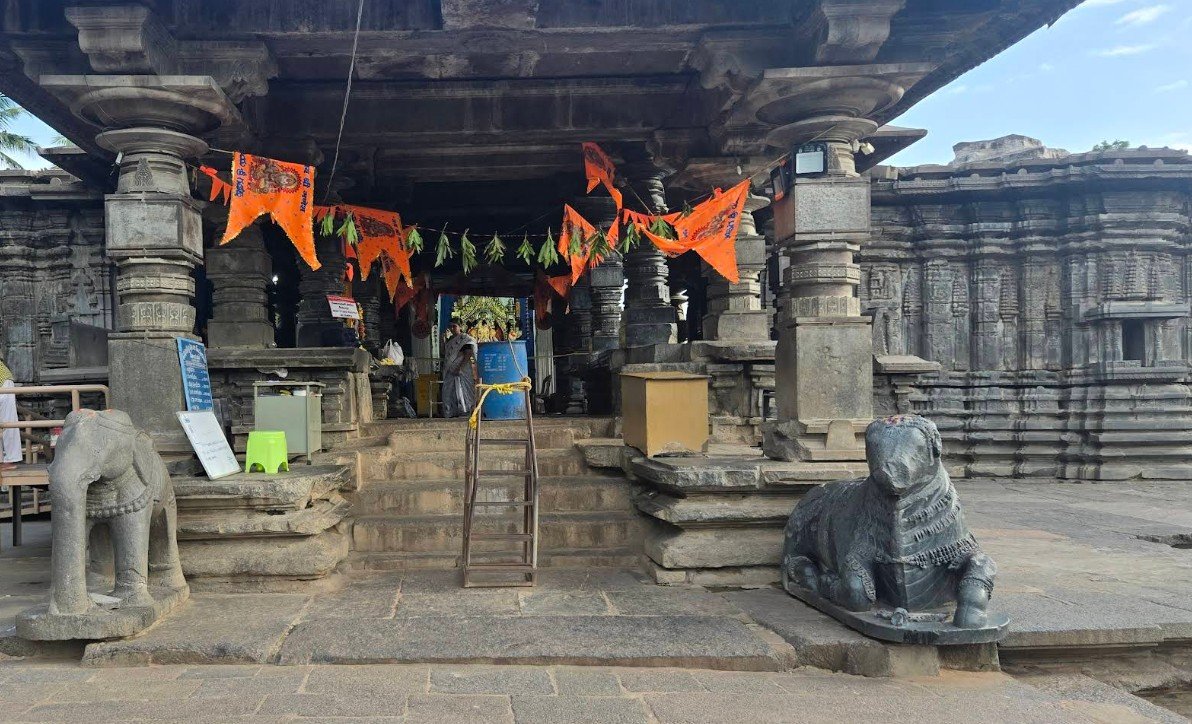
A major attraction is the massive Nandi (Lord Shiva’s mount) carved from a single block of black basalt stone.
Unique Feature: Unlike most temples where Nandi faces the main deity directly, this Nandi is positioned at the entrance of the complex, looking toward the Lord Shiva shrine from a distance. Its "mirror-like" polish is so smooth that it still reflects light beautifully after 800 years.
2. The Intricate "Mirror-Finish" Pillars
The temple is famous for its namesake—the 1000 pillars. Visitors should look for the circular, polished pillars in the central hall. They are carved with such precision that they appear as if they were turned on a modern lathe. The detail includes miniature carvings of dancers, musicians, and floral motifs.
3. The Kalyana Mandapam (Great Hall)
Located to the right of the main temple, this massive pillared hall was used for celestial weddings. While it was partially dismantled during ancient invasions, it is currently a site of one of India's most complex archaeological restoration projects. Visitors can see the scale of Kakatiya ambition here.
4. Perini Shivatandavam Carvings
Look at the base of the pillars and the doorways for carvings of dancers. These are depictions of Perini Shivatandavam, a vigorous ancient dance form that originated in the Kakatiya era. Legend says soldiers used to perform this dance to the beat of drums before heading into battle.
5. The Rock-Cut Inscriptions
Around the temple walls and on specific stone slabs, visitors can see Old Telugu and Sanskrit inscriptions. These record the history of King Rudra Deva and provide a glimpse into the linguistic heritage of Telangana.
6. The Star-Shaped Plinth
Encourage your visitors to take a Pradakshina (circumambulation) around the temple to notice the Star-Shaped Foundation. This design isn't just for beauty; it allowed the architects to create more surface area for carvings and provided extra stability to the massive stone roof.
ప్రధాన దేవాలయాలతో పాటు, ఈ సముదాయం అద్భుతమైన ఫోటోగ్రఫీకి మరియు చారిత్రక అధ్యయనానికి పనికొచ్చే నిర్మాణపరమైన ప్రత్యేకతలతో నిండి ఉంది:
1. ఏకశిలా నంది (భారీ వృషభం)
ఒకే నల్లటి బసాల్ట్ రాతి దిమ్మ నుండి చెక్కబడిన భారీ నంది (శివుని వాహనం) ఇక్కడ ఒక ప్రధాన ఆకర్షణ.
ప్రత్యేకత: చాలా దేవాలయాలలో నంది నేరుగా ప్రధాన దైవం వైపు చూస్తూ ఉంటుంది, కానీ ఇక్కడ ఈ నంది ఆలయ సముదాయం ప్రవేశ ద్వారం వద్ద ఉండి, దూరం నుండి శివుని ఆలయం వైపు చూస్తూ ఉంటుంది. దీని "అద్దం లాంటి" మెరుగు ఇంత నునుపుగా ఉంటుంది, 800 సంవత్సరాల తర్వాత కూడా ఇది కాంతిని అందంగా ప్రతిబింబిస్తుంది.
2. క్లిష్టమైన "అద్దం లాంటి మెరుగు" స్తంభాలు
ఈ ఆలయం తన పేరుకు తగ్గట్టుగా వెయ్యి స్తంభాలకు ప్రసిద్ధి చెందింది. సందర్శకులు కేంద్ర మండపంలోని వృత్తాకార, నునుపుగా ఉన్న స్తంభాలను చూడాలి. అవి ఆధునిక లాత్ యంత్రంపై చెక్కినట్లుగా, అత్యంత కచ్చితత్వంతో చెక్కబడ్డాయి. ఈ వివరాలలో నృత్యకారులు, సంగీతకారులు మరియు పూల మోటిఫ్ల సూక్ష్మ శిల్పాలు ఉన్నాయి.
3. కళ్యాణ మండపం (మహా మండపం)
ప్రధాన ఆలయానికి కుడి వైపున ఉన్న ఈ భారీ స్తంభాల మండపాన్ని దేవతల వివాహాల కోసం ఉపయోగించేవారు. ప్రాచీన దండయాత్రల సమయంలో ఇది పాక్షికంగా ధ్వంసం చేయబడినప్పటికీ, ప్రస్తుతం ఇది భారతదేశంలోని అత్యంత సంక్లిష్టమైన పురావస్తు పునరుద్ధరణ ప్రాజెక్టులలో ఒకటిగా ఉంది. ఇక్కడ సందర్శకులు కాకతీయుల ఆశయాల పరిధిని చూడవచ్చు.
4. పేరిణి శివతాండవ శిల్పాలు
స్తంభాల అడుగుభాగంలో మరియు ద్వారాల వద్ద ఉన్న నృత్యకారుల శిల్పాలను చూడండి. ఇవి కాకతీయ యుగంలో ఉద్భవించిన ఒక ఉద్వేగభరితమైన ప్రాచీన నృత్య రూపమైన పేరిణి శివతాండవం యొక్క చిత్రణలు. యుద్ధానికి వెళ్లే ముందు సైనికులు డప్పుల శబ్దానికి అనుగుణంగా ఈ నృత్యాన్ని చేసేవారని పురాణాలు చెబుతాయి.
5. రాతిపై చెక్కిన శాసనాలు
ఆలయ గోడల చుట్టూ మరియు కొన్ని నిర్దిష్ట రాతి పలకలపై, సందర్శకులు పాత తెలుగు మరియు సంస్కృత శాసనాలను చూడవచ్చు. ఇవి రుద్రదేవ మహారాజు చరిత్రను నమోదు చేస్తాయి మరియు తెలంగాణ యొక్క భాషా వారసత్వాన్ని గురించి తెలియజేస్తాయి.
6. నక్షత్ర ఆకారపు పీఠం
నక్షత్ర ఆకారంలో ఉన్న పునాదిని గమనించడానికి మీ సందర్శకులను ఆలయం చుట్టూ ప్రదక్షిణ చేయమని ప్రోత్సహించండి. ఈ రూపకల్పన కేవలం అందం కోసం మాత్రమే కాదు; ఇది వాస్తుశిల్పులకు శిల్పాల కోసం ఎక్కువ ఉపరితల వైశాల్యాన్ని సృష్టించడానికి వీలు కల్పించింది మరియు భారీ రాతి పైకప్పుకు అదనపు స్థిరత్వాన్ని అందించింది.
Opening Hours
FAQ's
Do we have parking at this temple?
Yes, Parking available at this temple
How to reach this temple?
By Road: Hanamkonda is well-connected by a robust network of highways. It is approximately 150 km from Hyderabad. Regular TSRTC buses and private taxis are available from Hyderabad, Karimnagar, and Khammam. By Rail: The nearest major railway station is Warangal Railway Station (5 km) or Kazipet Junction (7 km). Both are key halts for trains traveling between South and North India, making it very accessible. By Air: The nearest international airport is Rajiv Gandhi International Airport (HYD) in Hyderabad, about 170 km away. From the airport, one can hire a pre-paid taxi or take a bus to reach Warangal/Hanamkonda in roughly 3–4 hours.
What are the festivals celebrated at this temple?
The temple comes alive with spiritual fervor during major Hindu festivals: Maha Shivaratri: The biggest festival here, attracting thousands of pilgrims for overnight vigils and special rituals. Karthika Masam: Special deepotsavam (lighting of lamps) is held throughout this holy month. Sravana Masam: Special pujas are dedicated to Lord Shiva. Bathukamma & Bonalu: These regional festivals of Telangana are celebrated with great local pomp and cultural performances.