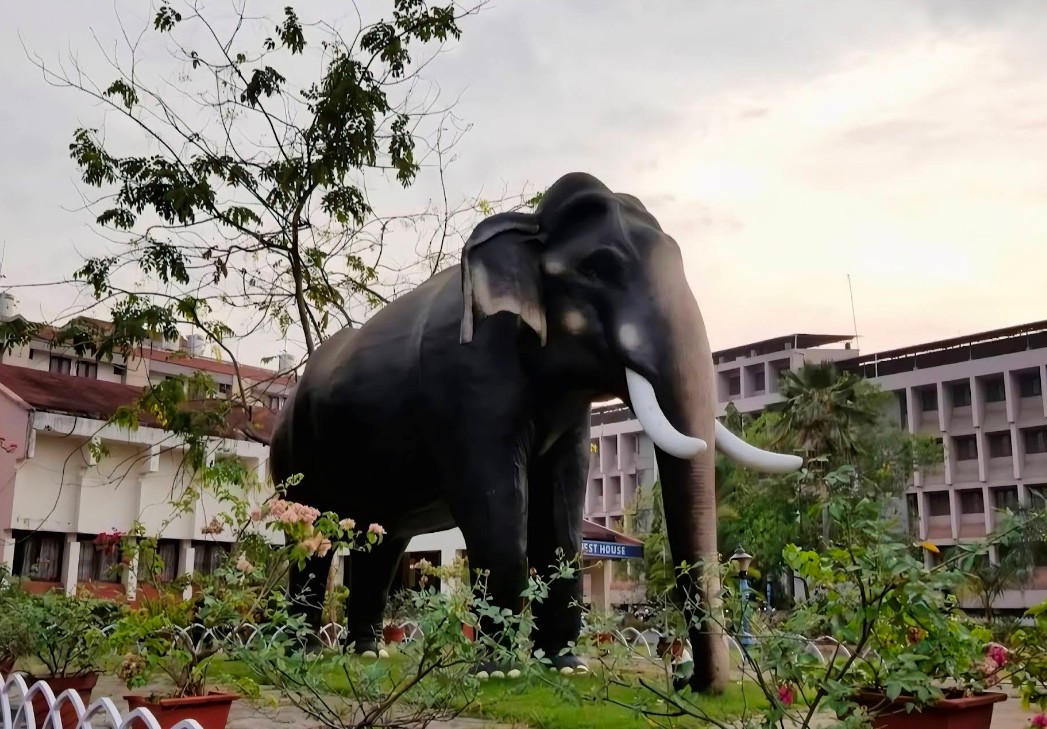
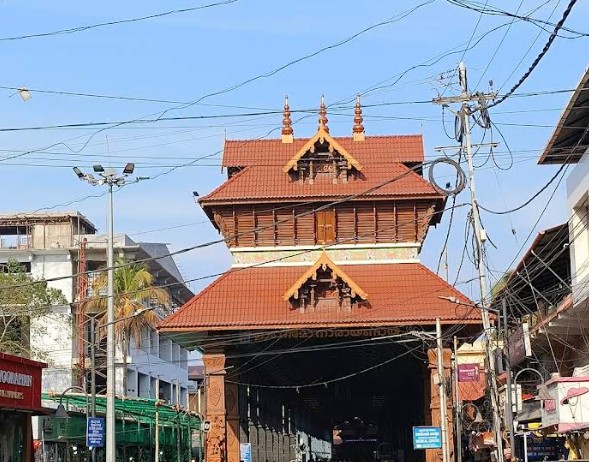
Guruvayur Sree Krishna Temple Temple, East Nada, Guruvayur, Kerala 680101
Guruvayur Sree Krishna Temple Temple, East Nada, Guruvayur, Kerala 680101 History , Timings, How to reach
ഗുരുവായൂർ ശ്രീകൃഷ്ണ ക്ഷേത്രം, ഈസ്റ്റ് നട, ഗുരുവായൂർ, കേരളം 680101
గురువాయూర్ శ్రీ కృష్ణ దేవాలయం, తూర్పు నాడా, గురువాయూర్, కేరళ 680101
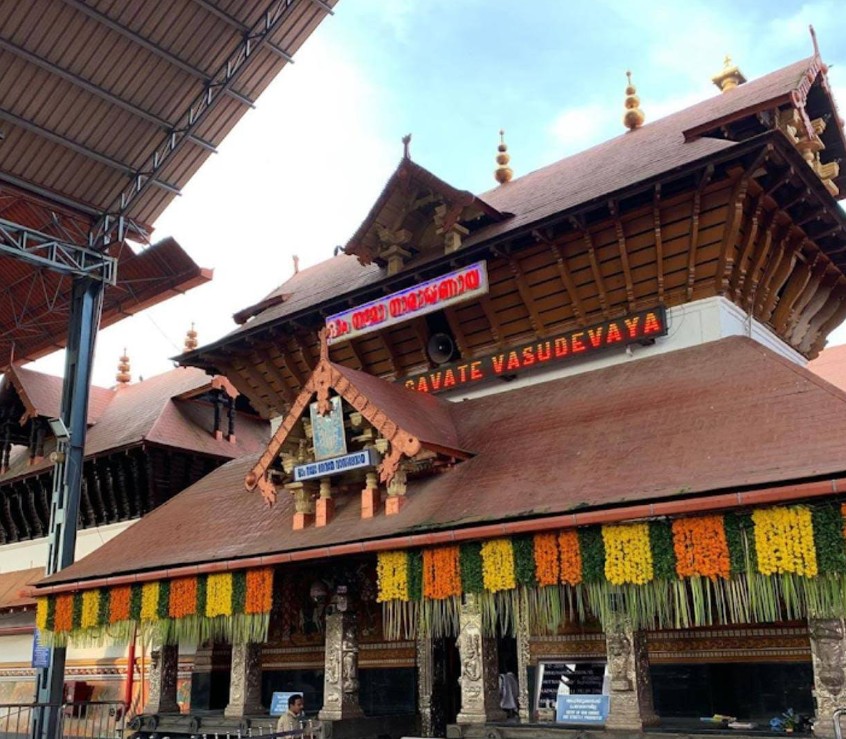
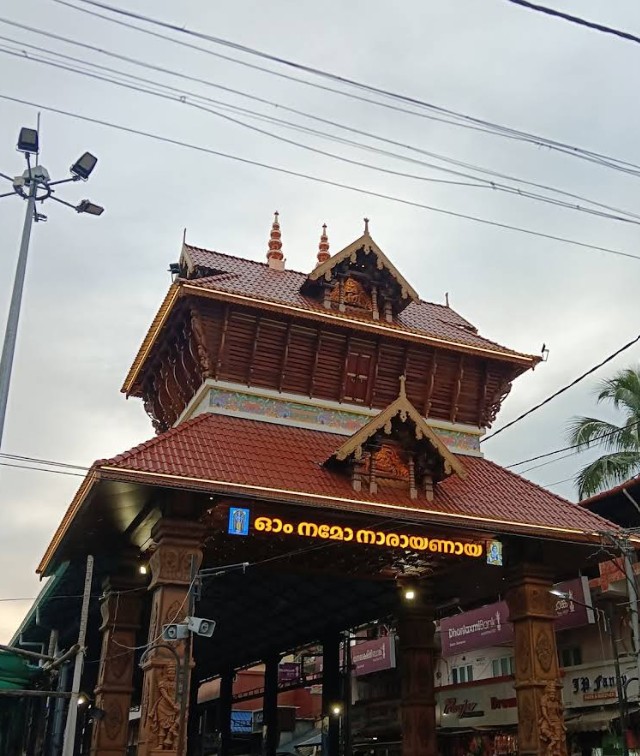
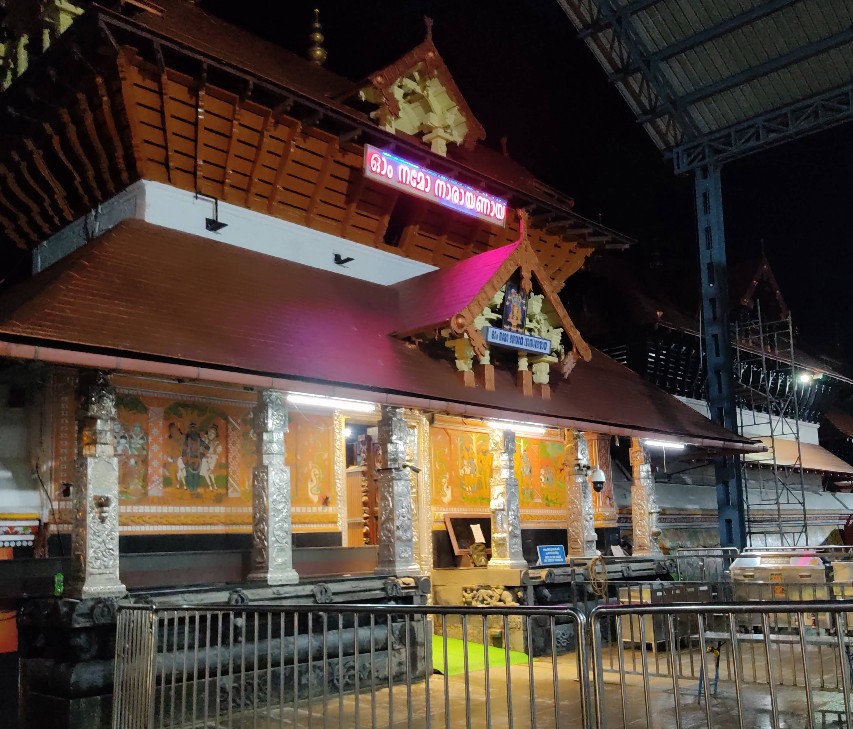
Guruvayur Sree Krishna Temple located in Guruvayur town of Thrissur district, Kerala, is one of the most important pilgrimage destinations in South India. The temple is dedicated to Lord Krishna in the form of Guruvayurappan and holds immense spiritual significance for devotees. According to temple legends, the idol was originally worshipped by Lord Vishnu and later by Lord Krishna in Dwarka before being brought to Kerala by Guru (Brihaspati) and Vayu, from whom the name Guruvayur was derived. The temple is renowned for its traditional Kerala-style architecture, daily rituals, and grand festivals such as Guruvayur Ekadasi and Krishna Janmashtami. Thousands of devotees visit the temple daily to offer prayers, perform offerings, and receive the blessings of Lord Guruvayurappan.
Maps
Contact
- Guruvayur Sree Krishna Temple Temple, East Nada, Guruvayur, Kerala 680101
- Reception : 04872556335 & 0487 2556538 Guest House Sreevalsam : 0487 2556539 Guest House Panchajanyam : 0487 2556535 Guest House Kausthubham : 0487 2556537 Helpline Numbers : 04872556335 / 346
- contact.gdonline@gmail.com
- https://guruvayurdevaswom.in
Hightlight
-
 Airport
-
 Bus Facility
-
 Parking
-
 Taxi
Taxi

More Information
- Temple History The Guruvayur Temple, located in the Thrissur district of Kerala, is one of the most revered temples dedicated to Lord Krishna, worshipped here as Guruvayurappan. According to temple legends and Hindu scriptures, the idol of Lord Krishna installed in the temple is extremely ancient and is believed to have been worshipped originally by Lord Vishnu in Vaikuntha and later by Lord Krishna himself in Dwaraka. When the city of Dwaraka was submerged in the sea, the sacred idol was rescued and brought to Kerala by Guru (Brihaspati), the teacher of the gods, and Vayu, the wind god. They installed the idol at this sacred place, which later came to be known as Guruvayur, combining the names Guru and Vayu. Historical references indicate that the temple gained prominence as a major pilgrimage center in Kerala by the 16th century, especially after the devotional work of scholars like Melpathur Narayana Bhattathiri, the author of Narayaneeyam. Over time, Guruvayur became one of the most important Krishna temples in India and is often referred to as “Bhooloka Vaikuntha” (Heaven on Earth) by devotees because it is believed that Lord Vishnu resides here in full divine power. The temple has faced several historical challenges over the centuries. In 1716, a Dutch raid damaged parts of the temple and burned the western gopuram, which was later rebuilt in 1747. Later invasions by Hyder Ali in 1766 and Tipu Sultan in 1789 threatened the temple, prompting priests to temporarily move the idol to the Ambalappuzha Sri Krishna Temple for safety. After Tipu Sultan’s defeat, the idol was ceremonially brought back and reinstalled in the temple in 1792, restoring regular worship. In the modern era, the temple also played an important role in social reform. The Guruvayur Satyagraha (1931–1947) was a historic movement demanding temple entry rights for all Hindus regardless of caste. After years of protest and public support, the temple was officially opened to all Hindus in 1947, marking a significant moment in Kerala’s social history. Another major event occurred in 1970, when a devastating fire damaged parts of the temple complex, including several surrounding structures. Fortunately, the sanctum sanctorum and the idol of Lord Guruvayurappan remained safe. A large restoration effort followed, rebuilding the damaged areas and preserving the temple’s traditional Kerala architectural style. Today, Guruvayur Temple continues to be one of the most important pilgrimage destinations in India. Millions of devotees visit the temple every year to seek the blessings of Lord Guruvayurappan, making it one of the most spiritually significant Krishna temples in the country. കേരളത്തിലെ തൃശൂർ ജില്ലയിൽ സ്ഥിതി ചെയ്യുന്ന ഗുരുവായൂർ ക്ഷേത്രം, ഗുരുവായൂരപ്പൻ എന്ന പേരിൽ ആരാധിക്കപ്പെടുന്ന ശ്രീകൃഷ്ണന്റെ ഏറ്റവും ആദരണീയമായ ക്ഷേത്രങ്ങളിൽ ഒന്നാണ്. ക്ഷേത്ര ഐതിഹ്യങ്ങളും ഹിന്ദു ഗ്രന്ഥങ്ങളും അനുസരിച്ച്, ക്ഷേത്രത്തിൽ സ്ഥാപിച്ചിരിക്കുന്ന ശ്രീകൃഷ്ണ വിഗ്രഹം വളരെ പുരാതനമാണ്, വൈകുണ്ഠത്തിൽ വെച്ച് വിഷ്ണുവും പിന്നീട് ദ്വാരകയിൽ വെച്ച് ശ്രീകൃഷ്ണനും ഇതിനെ ആരാധിച്ചിരുന്നുവെന്ന് വിശ്വസിക്കപ്പെടുന്നു. ദ്വാരക നഗരം കടലിൽ മുങ്ങിയപ്പോൾ, ദേവന്മാരുടെ ഗുരുവായ ഗുരു (ബൃഹസ്പതി), വായു (വായു) എന്നിവർ ചേർന്ന് ആ പുണ്യ വിഗ്രഹം രക്ഷപ്പെടുത്തി കേരളത്തിലേക്ക് കൊണ്ടുവന്നു. ഗുരു, വായു എന്നീ പേരുകൾ സംയോജിപ്പിച്ച് പിന്നീട് ഗുരുവായൂർ എന്നറിയപ്പെട്ട ഈ പുണ്യ സ്ഥലത്ത് അവർ വിഗ്രഹം പ്രതിഷ്ഠിച്ചു. പതിനാറാം നൂറ്റാണ്ടോടെ, പ്രത്യേകിച്ച് നാരായണീയത്തിന്റെ രചയിതാവായ മേൽപ്പത്തൂർ നാരായണ ഭട്ടതിരി പോലുള്ള പണ്ഡിതരുടെ ഭക്തിനിർഭരമായ പ്രവർത്തനത്തിന് ശേഷം, ക്ഷേത്രം കേരളത്തിലെ ഒരു പ്രധാന തീർത്ഥാടന കേന്ദ്രമായി പ്രാധാന്യം നേടിയതായി ചരിത്രപരമായ പരാമർശങ്ങൾ സൂചിപ്പിക്കുന്നു. കാലക്രമേണ, ഗുരുവായൂർ ഇന്ത്യയിലെ ഏറ്റവും പ്രധാനപ്പെട്ട കൃഷ്ണ ക്ഷേത്രങ്ങളിൽ ഒന്നായി മാറി, ഭഗവാൻ വിഷ്ണു ഇവിടെ പൂർണ്ണ ദിവ്യശക്തിയോടെ വസിക്കുന്നു എന്ന് വിശ്വസിക്കപ്പെടുന്നതിനാൽ ഭക്തർ ഇതിനെ "ഭൂലോക വൈകുണ്ഠം" (ഭൂമിയിലെ സ്വർഗ്ഗം) എന്ന് വിളിക്കാറുണ്ട്. നൂറ്റാണ്ടുകളായി ക്ഷേത്രം നിരവധി ചരിത്രപരമായ വെല്ലുവിളികൾ നേരിട്ടിട്ടുണ്ട്. 1716-ൽ, ഒരു ഡച്ച് ആക്രമണം ക്ഷേത്രത്തിന്റെ ചില ഭാഗങ്ങൾക്ക് കേടുപാടുകൾ വരുത്തുകയും പടിഞ്ഞാറൻ ഗോപുരം കത്തിക്കുകയും ചെയ്തു, പിന്നീട് 1747-ൽ ഇത് പുനർനിർമ്മിച്ചു. 1766-ൽ ഹൈദർ അലിയും 1789-ൽ ടിപ്പു സുൽത്താനും നടത്തിയ ആക്രമണങ്ങൾ ക്ഷേത്രത്തിന് ഭീഷണിയായി, സുരക്ഷയ്ക്കായി പൂജാരിമാരെ അമ്പലപ്പുഴ ശ്രീകൃഷ്ണ ക്ഷേത്രത്തിലേക്ക് താൽക്കാലികമായി മാറ്റാൻ പ്രേരിപ്പിച്ചു. ടിപ്പു സുൽത്താന്റെ പരാജയത്തിനുശേഷം, 1792-ൽ വിഗ്രഹം ആചാരപരമായി തിരികെ കൊണ്ടുവന്ന് ക്ഷേത്രത്തിൽ പുനഃസ്ഥാപിച്ചു, ഇത് പതിവ് ആരാധന പുനഃസ്ഥാപിച്ചു. ആധുനിക യുഗത്തിൽ, സാമൂഹിക പരിഷ്കരണത്തിലും ക്ഷേത്രം ഒരു പ്രധാന പങ്ക് വഹിച്ചു. ജാതി നോക്കാതെ എല്ലാ ഹിന്ദുക്കൾക്കും ക്ഷേത്ര പ്രവേശന അവകാശം ആവശ്യപ്പെട്ടുള്ള ഒരു ചരിത്ര പ്രസ്ഥാനമായിരുന്നു ഗുരുവായൂർ സത്യാഗ്രഹം (1931–1947). വർഷങ്ങളുടെ പ്രതിഷേധത്തിനും പൊതുജന പിന്തുണക്കും ശേഷം, 1947 ൽ ക്ഷേത്രം ഔദ്യോഗികമായി എല്ലാ ഹിന്ദുക്കൾക്കും തുറന്നുകൊടുത്തു, ഇത് കേരളത്തിന്റെ സാമൂഹിക ചരിത്രത്തിലെ ഒരു സുപ്രധാന നിമിഷമായി അടയാളപ്പെടുത്തി. 1970 ൽ മറ്റൊരു പ്രധാന സംഭവം സംഭവിച്ചു, ക്ഷേത്ര സമുച്ചയത്തിന്റെ ചില ഭാഗങ്ങൾക്കും ചുറ്റുമുള്ള നിരവധി ഘടനകൾക്കും തീപിടുത്തമുണ്ടായി. ഭാഗ്യവശാൽ, ശ്രീകോവിലും ഗുരുവായൂരപ്പന്റെ വിഗ്രഹവും സുരക്ഷിതമായി തുടർന്നു. തുടർന്ന് ഒരു വലിയ പുനരുദ്ധാരണ ശ്രമം നടന്നു, കേടുപാടുകൾ സംഭവിച്ച പ്രദേശങ്ങൾ പുനർനിർമ്മിക്കുകയും ക്ഷേത്രത്തിന്റെ പരമ്പരാഗത കേരള വാസ്തുവിദ്യാ ശൈലി സംരക്ഷിക്കുകയും ചെയ്തു. ഇന്ന്, ഗുരുവായൂർ ക്ഷേത്രം ഇന്ത്യയിലെ ഏറ്റവും പ്രധാനപ്പെട്ട തീർത്ഥാടന കേന്ദ്രങ്ങളിൽ ഒന്നായി തുടരുന്നു. ഗുരുവായൂരപ്പന്റെ അനുഗ്രഹം തേടാൻ ദശലക്ഷക്കണക്കിന് ഭക്തർ എല്ലാ വർഷവും ക്ഷേത്രം സന്ദർശിക്കുന്നു, ഇത് രാജ്യത്തെ ഏറ്റവും ആത്മീയമായി പ്രാധാന്യമുള്ള കൃഷ്ണ ക്ഷേത്രങ്ങളിലൊന്നായി മാറുന്നു. కేరళలోని త్రిస్సూర్ జిల్లాలో ఉన్న గురువాయూర్ ఆలయం, శ్రీకృష్ణుడికి అంకితం చేయబడిన అత్యంత గౌరవనీయమైన ఆలయాలలో ఒకటి, ఇక్కడ గురువాయూరప్పన్ గా పూజలు అందుకుంటారు. ఆలయ ఇతిహాసాలు మరియు హిందూ గ్రంథాల ప్రకారం, ఈ ఆలయంలో ప్రతిష్టించబడిన శ్రీకృష్ణుని విగ్రహం చాలా పురాతనమైనది మరియు దీనిని మొదట వైకుంఠంలో విష్ణువు మరియు తరువాత ద్వారకలో శ్రీకృష్ణుడు పూజించాడని నమ్ముతారు. ద్వారక నగరం సముద్రంలో మునిగిపోయినప్పుడు, దేవతల గురువు అయిన గురువు (బృహస్పతి) మరియు వాయు దేవుడు ఆ పవిత్ర విగ్రహాన్ని రక్షించి కేరళకు తీసుకువచ్చారు. వారు ఈ పవిత్ర స్థలంలో విగ్రహాన్ని ప్రతిష్టించారు, తరువాత దీనిని గురు మరియు వాయు అనే పేర్లను కలిపి గురువాయూర్ అని పిలిచేవారు. 16వ శతాబ్దం నాటికి, ముఖ్యంగా నారాయణీయం రచయిత అయిన మెల్పత్తూర్ నారాయణ భట్టతిరి వంటి పండితుల భక్తి కృషి తర్వాత, ఈ ఆలయం కేరళలో ఒక ప్రధాన తీర్థయాత్ర కేంద్రంగా ప్రాముఖ్యతను సంతరించుకుందని చారిత్రక ఆధారాలు సూచిస్తున్నాయి. కాలక్రమేణా, గురువాయూర్ భారతదేశంలోని అతి ముఖ్యమైన కృష్ణ దేవాలయాలలో ఒకటిగా మారింది మరియు భక్తులు దీనిని తరచుగా "భూలోక వైకుంఠ" (భూమిపై స్వర్గం) అని పిలుస్తారు ఎందుకంటే విష్ణువు ఇక్కడ పూర్తి దైవిక శక్తితో నివసిస్తున్నాడని నమ్ముతారు. శతాబ్దాలుగా ఈ ఆలయం అనేక చారిత్రక సవాళ్లను ఎదుర్కొంది. 1716లో, డచ్ దాడి ఆలయంలోని కొన్ని భాగాలను దెబ్బతీసి పశ్చిమ గోపురాన్ని తగలబెట్టింది, తరువాత దీనిని 1747లో పునర్నిర్మించారు. తరువాత 1766లో హైదర్ అలీ మరియు 1789లో టిప్పు సుల్తాన్ దండయాత్రలు ఆలయాన్ని బెదిరించాయి, దీనితో పూజారులు తాత్కాలికంగా విగ్రహాన్ని భద్రత కోసం అంబలప్పుళ శ్రీ కృష్ణ ఆలయానికి తరలించవలసి వచ్చింది. టిప్పు సుల్తాన్ ఓటమి తర్వాత, విగ్రహాన్ని ఆచారబద్ధంగా తిరిగి తీసుకువచ్చి 1792లో ఆలయంలో తిరిగి ప్రతిష్టించారు, సాధారణ పూజలను పునరుద్ధరించారు. ఆధునిక యుగంలో, ఈ ఆలయం సామాజిక సంస్కరణలో కూడా ముఖ్యమైన పాత్ర పోషించింది. కులంతో సంబంధం లేకుండా అన్ని హిందువులకు ఆలయ ప్రవేశ హక్కులను కోరుతూ గురువాయూర్ సత్యాగ్రహం (1931–1947) ఒక చారిత్రాత్మక ఉద్యమం. సంవత్సరాల నిరసన మరియు ప్రజల మద్దతు తర్వాత, 1947లో ఆలయం అధికారికంగా అన్ని హిందువులకు తెరవబడింది, ఇది కేరళ సామాజిక చరిత్రలో ఒక ముఖ్యమైన ఘట్టాన్ని సూచిస్తుంది. 1970లో మరో ప్రధాన సంఘటన జరిగింది, అక్కడ ఒక వినాశకరమైన అగ్నిప్రమాదం ఆలయ సముదాయంలోని కొన్ని భాగాలను, చుట్టుపక్కల ఉన్న అనేక నిర్మాణాలను కూడా దెబ్బతీసింది. అదృష్టవశాత్తూ, గర్భగుడి మరియు గురువాయురప్పన్ విగ్రహం సురక్షితంగా ఉన్నాయి. ఆ తర్వాత పెద్ద ఎత్తున పునరుద్ధరణ ప్రయత్నం జరిగింది, దెబ్బతిన్న ప్రాంతాలను పునర్నిర్మించి, ఆలయ సాంప్రదాయ కేరళ నిర్మాణ శైలిని సంరక్షించింది. నేడు, గురువాయూర్ ఆలయం భారతదేశంలోని అత్యంత ముఖ్యమైన తీర్థయాత్ర ప్రదేశాలలో ఒకటిగా కొనసాగుతోంది. గురువాయురప్పన్ ఆశీర్వాదం కోసం ప్రతి సంవత్సరం లక్షలాది మంది భక్తులు ఆలయాన్ని సందర్శిస్తారు, ఇది దేశంలోని అత్యంత ఆధ్యాత్మికంగా ముఖ్యమైన కృష్ణ దేవాలయాలలో ఒకటిగా నిలిచింది.
-
Sub Temples
🛕 Lord Guruvayurappan (Lord Krishna). The idol is carved out of Patala Anjana Sila (a rare black bismuth stone) and depicts Vishnu in his four-armed form, holding the Panchajanya (conch), Sudarshana Chakra (discus), Kaumodaki (mace), and a lotus.
🛕Lord Ganapathi
🛕Lord Ayyappan
🛕Edathara Bhagavathy (Goddess Bhagavati).
🛕 ഭഗവാൻ ഗുരുവായൂരപ്പൻ (കൃഷ്ണൻ). പാതാള അഞ്ജന ശിലയിൽ (അപൂർവമായ ഒരു കറുത്ത ബിസ്മത്ത് കല്ല്) കൊത്തിയെടുത്ത വിഗ്രഹം, പാഞ്ചജന്യ (ശംഖ്), സുദർശന ചക്രം (ഡിസ്കസ്), കൗമോദകി (ഗദ), താമര എന്നിവ കൈവശമുള്ള വിഷ്ണുവിനെ തൻ്റെ നാല് കൈകളുള്ള രൂപത്തിൽ ചിത്രീകരിക്കുന്നു.
🛕ഗണപതി ഭഗവാൻ
🛕ഭഗവാനായ അയ്യപ്പൻ
🛕എടത്തറ ഭഗവതി (ഭഗവതി).
🛕 లార్డ్ గురువాయూరప్పన్ (శ్రీకృష్ణుడు). ఈ విగ్రహం పాతాళ అంజనా శిల (అరుదైన నల్లటి బిస్మత్ రాయి) నుండి చెక్కబడింది మరియు విష్ణువు తన నాలుగు చేతుల రూపంలో పాంచజన్య (శంఖం), సుదర్శన చక్రం (డిస్కస్), కౌమోదకి (జాతి) మరియు ఒక కమలాన్ని పట్టుకుని ఉన్నాడు.
🛕గణపతి దేవుడు
🛕భగవంతుడు అయ్యప్పన్
🛕ఎడతర భగవతి (భగవతి దేవి). -
Things to Cover
🙏🏼 Take darshan & blessings of Lord Krishna, Bhagavathi Devi , Ganesh , Ayyappa
🙏🏼 ശ്രീകൃഷ്ണൻ, ഭഗവതി ദേവി, ഗണേശൻ, അയ്യപ്പൻ എന്നിവരുടെ ദർശനവും അനുഗ്രഹവും നേടുക
🙏🏼 శ్రీకృష్ణుడు, భగవతీ దేవి, గణేష్, అయ్యప్ప దర్శనం & ఆశీస్సులు పొందండి -
Dress Code
🥻Traditional Dress
🥻പരമ്പരാഗത വസ്ത്രധാരണം
🥻సాంప్రదాయ దుస్తులు -
Pooja Details
🌹Nirmalyam (3:00 AM): The first darshan of the day, where the deity is seen in the previous night’s decorations.
🌹Vakacharthu: Anointing the idol with herbal powder (Vaka).
🌹Seeveli: Three daily processions (morning, noon, and night) where the deity is carried on an elephant.
🌹Udayasthamana Pooja: A special "dawn-to-dusk" offering.
🌹Thulabharam: A popular ritual where devotees are weighed against items like jaggery, bananas, or coins to be offered to the Lord.
🌹നിർമ്മാല്യം (3:00 AM): ദിവസത്തിലെ ആദ്യ ദർശനം, തലേ രാത്രിയിലെ അലങ്കാരങ്ങളിൽ ദേവനെ കാണാം.
🌹വാകച്ചാർത്ത്: ഔഷധപ്പൊടി (വാക) കൊണ്ട് വിഗ്രഹത്തെ അഭിഷേകം ചെയ്യുന്നു.
🌹ശീവേലി: ആനപ്പുറത്ത് ദേവനെ വഹിച്ചുകൊണ്ട് ദിവസേന മൂന്ന് ഘോഷയാത്രകൾ (രാവിലെ, ഉച്ചയ്ക്ക്, രാത്രി).
🌹ഉദയാസ്തമന പൂജ: ഒരു പ്രത്യേക "പ്രഭാതം മുതൽ സന്ധ്യ വരെ" വഴിപാട്.
🌹തുലാഭാരം: ഭഗവാന് സമർപ്പിക്കുന്നതിനായി ഭക്തരെ ശർക്കര, വാഴപ്പഴം, നാണയങ്ങൾ എന്നിവ ഉപയോഗിച്ച് തൂക്കി നോക്കുന്ന ഒരു ജനപ്രിയ ആചാരം.
🌹నిర్మాల్యం (ఉదయం 3:00 గంటలకు): ఆనాటి మొదటి దర్శనం; ఇందులో దైవం, గత రాత్రి అలంకరణలతోనే దర్శనమిస్తారు.
🌹వాకచార్తు: దైవ విగ్రహానికి మూలికా చూర్ణాన్ని (వాక) లేపనంగా పూయడం.
🌹శీవేలి: రోజుకు మూడు సార్లు (ఉదయం, మధ్యాహ్నం మరియు రాత్రి) నిర్వహించే ఊరేగింపులు; ఇందులో దైవాన్ని ఏనుగుపై అధిష్టింపజేసి ఊరేగిస్తారు.
🌹ఉదయాస్తమన పూజ: "సూర్యోదయం నుండి సూర్యాస్తమయం వరకు" నిర్వహించే ఒక ప్రత్యేకమైన ఆరాధన.
🌹తులాభారం: భక్తులు తమ బరువుకు సమానమైన బెల్లం, అరటిపండ్లు లేదా నాణేల వంటి వస్తువులను దైవానికి సమర్పించే ఒక ప్రసిద్ధ ఆచారం. -
Festivals / Jaatra
🌹The temple is a hub of grand celebrations, often featuring magnificent elephant processions.
🌹Guruvayur Utsavam (Feb–March): A 10-day annual festival that begins with the Aanayottam (Elephant Race).
🌹Guruvayur Ekadasi: Falling in the month of Vrischikam (Nov–Dec), this is one of the most auspicious days, marked by the lighting of thousands of oil lamps (Vilakku).
🌹Ashtami Rohini: The birthday of Lord Krishna, celebrated with special feasts and appam offerings.
🌹Vishu: The Malayali New Year (mid-April), where devotees flock to see the Vishu Kani (first sight) of the Lord.
🌹Chembai Sangeetholsavam: A prestigious 15-day Carnatic music festival dedicated to the saint-musician Chembai Vaidyanatha Bhagavatar.
🌹ആനകളുടെ ഗംഭീരമായ ഘോഷയാത്രകൾ നടക്കുന്ന ക്ഷേത്രമാണിത്.
🌹ഗുരുവായൂർ ഉത്സവം (ഫെബ്രുവരി–മാർച്ച്): ആനയോട്ടം (ആനയോട്ടം) ആരംഭിക്കുന്ന 10 ദിവസത്തെ വാർഷിക ഉത്സവം.
🌹ഗുരുവായൂർ ഏകാദശി: വൃശ്ചിക മാസത്തിൽ (നവംബർ–ഡിസംബർ) വരുന്ന ഇത്, ആയിരക്കണക്കിന് എണ്ണ വിളക്കുകൾ (വിളക്ക്) കത്തിക്കുന്ന ഏറ്റവും ശുഭകരമായ ദിവസങ്ങളിൽ ഒന്നാണ്.
🌹അഷ്ടമിരോഹിണി: ഭഗവാൻ കൃഷ്ണന്റെ ജന്മദിനം, പ്രത്യേക വിരുന്നുകളും അപ്പം വഴിപാടുകളും നടത്തി ആഘോഷിക്കുന്നു.
🌹വിഷു: മലയാളി പുതുവത്സരം (ഏപ്രിൽ മധ്യത്തിൽ), ഭഗവാന്റെ വിഷുകണി (ആദ്യ ദർശനം) കാണാൻ ഭക്തർ ഒഴുകിയെത്തുന്നു.
🌹ചെമ്പൈ സംഗീതോൽസവം: സന്ന്യാസി-സംഗീതജ്ഞനായ ചെമ്പൈ വൈദ്യനാഥ ഭാഗവതർക്ക് സമർപ്പിച്ചിരിക്കുന്ന 15 ദിവസത്തെ അഭിമാനകരമായ കർണാടക സംഗീതോത്സവം.
🌹ఈ ఆలయం గొప్ప వేడుకలకు కేంద్రంగా ఉంది, తరచుగా అద్భుతమైన ఏనుగుల ఊరేగింపులు ఉంటాయి.
🌹గురువాయూర్ ఉత్సవం (ఫిబ్రవరి–మార్చి): ఆనయోట్టం (ఏనుగుల పరుగు పందెం)తో ప్రారంభమయ్యే 10 రోజుల వార్షిక ఉత్సవం.
🌹గురువాయూర్ ఏకాదశి: వృశ్చికం (నవంబర్–డిసెంబర్) నెలలో వచ్చే ఈ పండుగ అత్యంత పవిత్రమైన రోజులలో ఒకటి, వేలాది నూనె దీపాలను (విలక్కు) వెలిగించడం ద్వారా గుర్తించబడింది.
🌹అష్టమి రోహిణి: శ్రీకృష్ణుని పుట్టినరోజు, ప్రత్యేక విందులు మరియు అప్పం నైవేద్యాలతో జరుపుకుంటారు.
🌹విషు: మలయాళీ నూతన సంవత్సరం (ఏప్రిల్ మధ్యలో), ఇక్కడ భక్తులు భగవంతుని విషు కని (తొలి దర్శనం) చూడటానికి తరలివస్తారు.
🌹చెంబై సంగీతోల్సవం: సాధువు-సంగీతకారుడు చెంబై వైద్యనాథ భాగవతార్కు అంకితం చేయబడిన ప్రతిష్టాత్మకమైన 15 రోజుల కర్ణాటక సంగీత ఉత్సవం. -
Travel Guide
🚌By Road: Guruvayur is well-connected by KSRTC and private buses from all major cities in Kerala, Karnataka, and Tamil Nadu.
🚉By Rail: Guruvayur Railway Station (GUV) is just 1 km from the temple. Thrissur (TCR) is a major junction 28 km away with better connectivity.
🛩️By Air: The nearest airport is Cochin International Airport (COK), about 80 km away.
🚌റോഡ് മാർഗം: കേരളം, കർണാടക, തമിഴ്നാട് എന്നിവിടങ്ങളിലെ എല്ലാ പ്രധാന നഗരങ്ങളിൽ നിന്നുമുള്ള കെഎസ്ആർടിസി, സ്വകാര്യ ബസുകൾ ഗുരുവായൂരിലേക്ക് സർവീസ് നടത്തുന്നു.
🚉റെയിൽ മാർഗം: ഗുരുവായൂർ റെയിൽവേ സ്റ്റേഷൻ (ജിയുവി) ക്ഷേത്രത്തിൽ നിന്ന് വെറും ഒരു കിലോമീറ്റർ അകലെയാണ്. മികച്ച കണക്റ്റിവിറ്റിയുള്ള 28 കിലോമീറ്റർ അകലെയുള്ള തൃശൂർ (ടിസിആർ) ഒരു പ്രധാന ജംഗ്ഷനാണ്.
🛩️വിമാനമാർഗ്ഗം: ഏറ്റവും അടുത്തുള്ള വിമാനത്താവളം കൊച്ചി അന്താരാഷ്ട്ര വിമാനത്താവളം (സിഒകെ) ആണ്, ഏകദേശം 80 കിലോമീറ്റർ അകലെ.
🚌రోడ్డు మార్గం: కేరళ, కర్ణాటక మరియు తమిళనాడులోని అన్ని ప్రధాన నగరాల నుండి గురువాయూర్ KSRTC మరియు ప్రైవేట్ బస్సుల ద్వారా బాగా అనుసంధానించబడి ఉంది.
🚉రైలు మార్గం: గురువాయూర్ రైల్వే స్టేషన్ (GUV) ఆలయం నుండి కేవలం 1 కి.మీ దూరంలో ఉంది. త్రిస్సూర్ (TCR) మెరుగైన కనెక్టివిటీతో 28 కి.మీ దూరంలో ఉన్న ఒక ప్రధాన జంక్షన్.
🛩️విమానం ద్వారా: సమీప విమానాశ్రయం కొచ్చిన్ అంతర్జాతీయ విమానాశ్రయం (COK), దాదాపు 80 కి.మీ దూరంలో ఉంది.
Opening Hours
FAQ's
How to reachi Guruvayur Krishna Temple?
By Air: The nearest airport is Cochin International Airport (COK), about 80 km away. By Rail: Guruvayur Railway Station (GUV) is just 1 km from the temple. Thrissur (TCR) is a major junction 28 km away with better connectivity. By Road: Guruvayur is well-connected by KSRTC and private buses from all major cities in Kerala, Karnataka, and Tamil Nadu.
What are the festivals celebrated at Guruvayur Krishna Temple?
The temple is a hub of grand celebrations, often featuring magnificent elephant processions. Guruvayur Utsavam (Feb–March): A 10-day annual festival that begins with the Aanayottam (Elephant Race). Guruvayur Ekadasi: Falling in the month of Vrischikam (Nov–Dec), this is one of the most auspicious days, marked by the lighting of thousands of oil lamps (Vilakku). Ashtami Rohini: The birthday of Lord Krishna, celebrated with special feasts and appam offerings. Vishu: The Malayali New Year (mid-April), where devotees flock to see the Vishu Kani (first sight) of the Lord. Chembai Sangeetholsavam: A prestigious 15-day Carnatic music festival dedicated to the saint-musician Chembai Vaidyanatha Bhagavatar.
Do we have parking at this temples?
Yes
Is there a dress code?
Yes, very strict. Men must wear a Mundu (dhoti) and remain bare-chested (vests/shirts are not allowed inside the inner sanctum). Women must wear Saris or long skirts. Shalwar Kameez is now generally permitted.