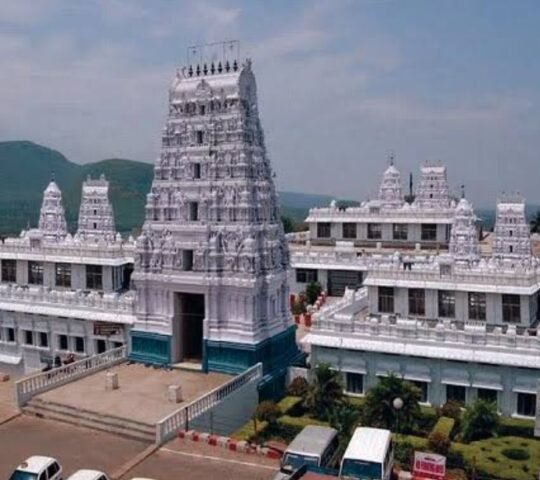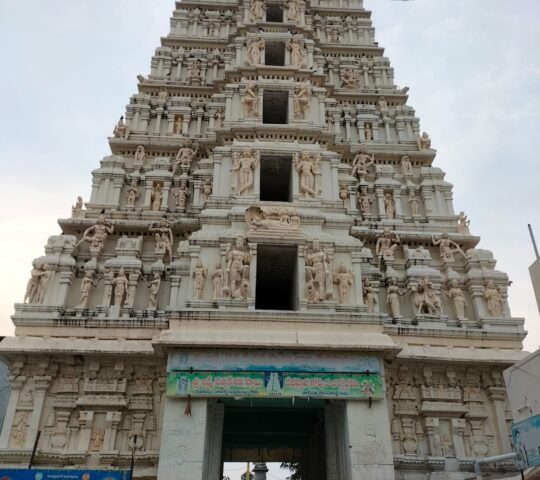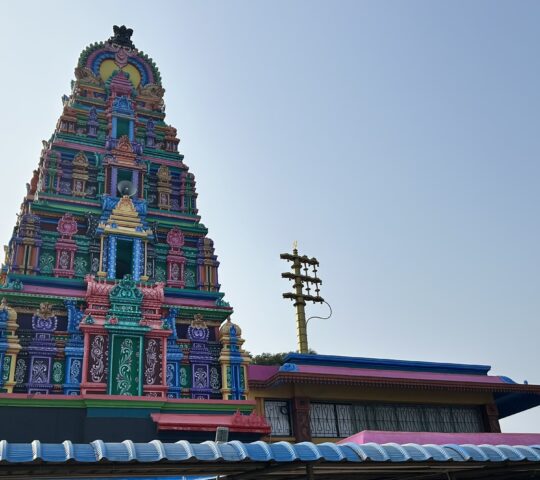
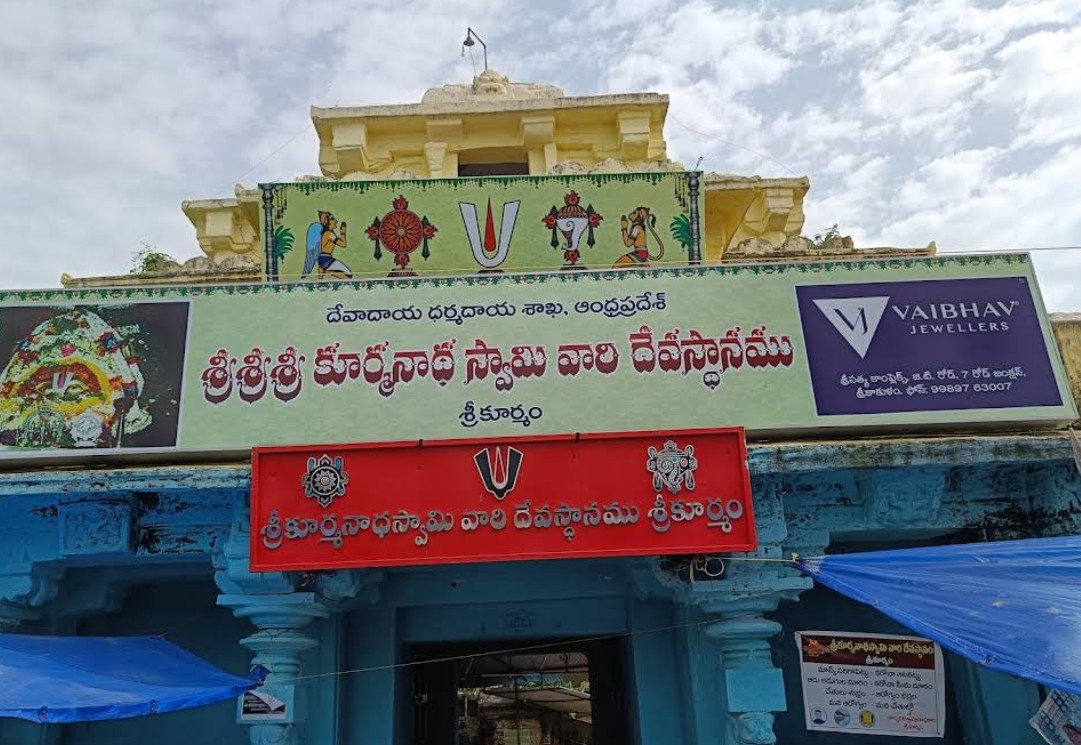
Sri Kurmanatha Swamy temple , Srikurmam, Andhra Pradesh 532404
Sri Kurmanatha Swamy temple , Srikurmam, Andhra Pradesh 532404 – History , Timings , How to reach
శ్రీ కూర్మనాథ స్వామి దేవాలయం, శ్రీకూర్మం, ఆంధ్రప్రదేశ్ 532404
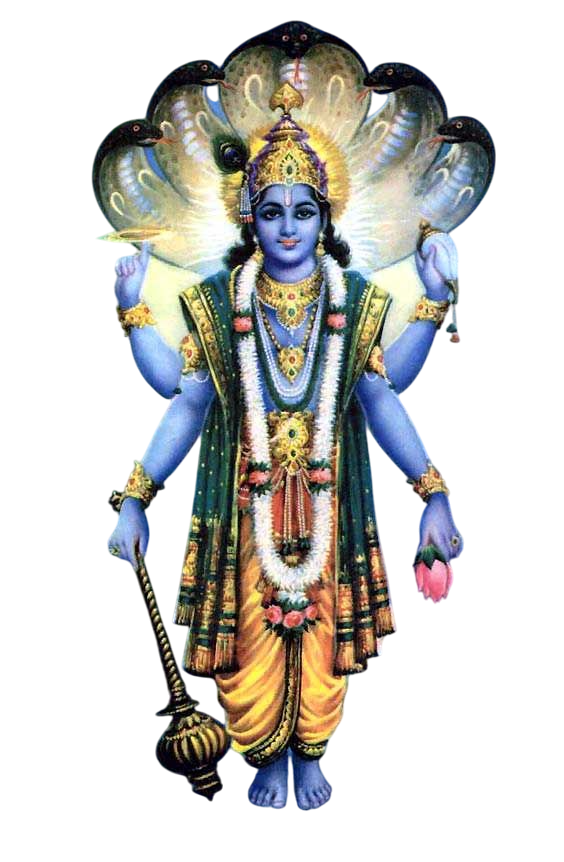
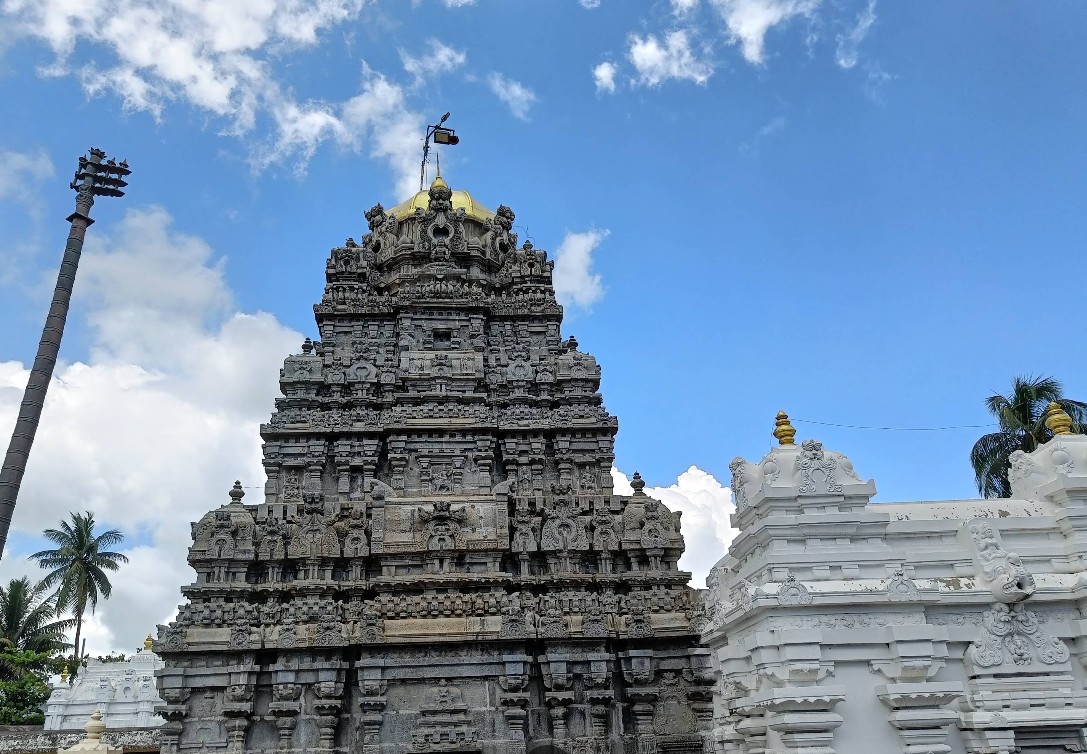
Sri Kurmanatha Swamy Temple situated in Srikurmam village of Srikakulam district, Andhra Pradesh, is one of the most important Vaishnavite temples in South India. The temple is dedicated to Lord Kurma, the tortoise incarnation of Lord Vishnu, and is believed to have a history of more than a thousand years. According to temple traditions and inscriptions, the temple gained prominence during the rule of the Eastern Ganga dynasty, especially under King Anantavarman Chodaganga Deva, who contributed to its development. The temple showcases beautiful Kalinga-style architecture and remains an important pilgrimage center for devotees. Festivals such as Kurma Jayanti, Vaikuntha Ekadashi, and other Vishnu-related celebrations are observed with great devotion, drawing thousands of devotees every year.
Maps
Hightlight
-
 Airport
-
 Bus Facility
-
 Parking
-
 Taxi
Taxi

More Information
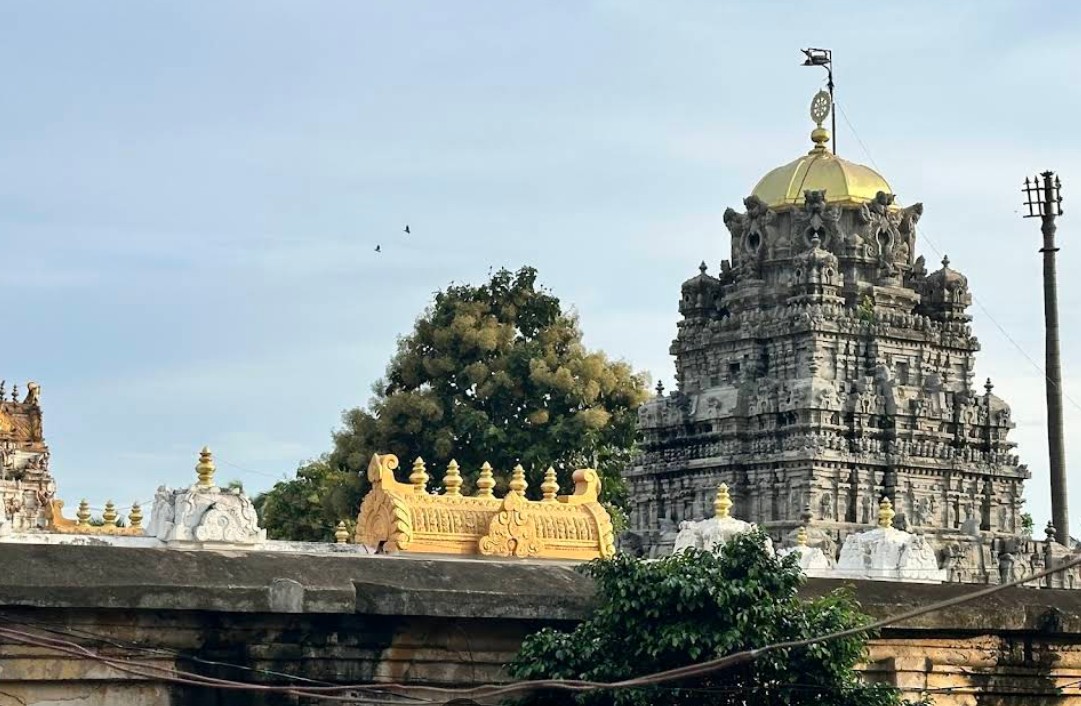
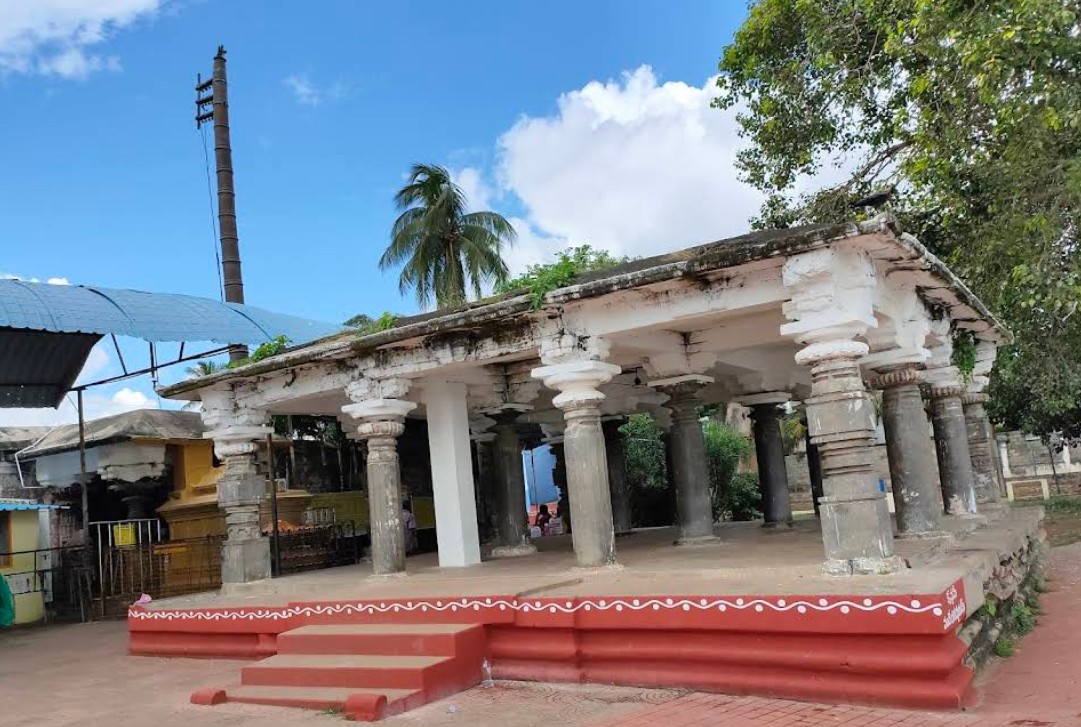
- Temple History The Sri Kurmanatha Swamy Temple, also known as Srikurmam Temple, is a famous Hindu temple dedicated to Kurma, the second avatar of Lord Vishnu. It is located in Srikurmam village in the Srikakulam district of Andhra Pradesh, India. This sacred shrine holds a unique place in Indian temple history as it is the only ancient temple in the world dedicated to the Kurma (tortoise) incarnation of Lord Vishnu. According to the Kurma Purana, the origins of this holy site date back to the Kruta Yuga, when the region was believed to be a vast lake where King Swetha Maharaja performed intense penance for over a thousand years seeking the vision of Lord Vishnu. Pleased with his devotion, the Lord manifested from the waters in the form of a Swayambhu Kurma (self-manifested tortoise). The sacred lake formed at the site later came to be known as Swetha Pushkarini, the temple’s holy tank, which is considered extremely sacred. Tradition holds that the waters of this pushkarini have the power to transform the ashes of the departed into Salagrama stones, making the temple a revered Moksha Sthanam, comparable in spiritual significance to Varanasi. Historically, the temple is believed to have been built before the 11th century CE and represents a remarkable fusion of Kalinga and Dravidian architectural styles. According to the earliest inscriptions and the text Prapannamrutam, the temple underwent a major transformation in 1035 CE during the reign of Anantavarman Chodaganga Deva of the Eastern Ganga Dynasty of Odisha, when it was converted into a Vaishnava temple from an earlier Shaivite shrine. The temple complex flourished under the patronage of the Eastern Ganga rulers, and the perambulatory corridors (pradakshina mandapa) were constructed during the reign of King Anangabhima Deva III. Later, the temple became an important centre of Vaishnavism, particularly due to the influence of Sri Ramanujacharya, who helped establish the identity of the deity as the Kurma avatar of Lord Vishnu. In the medieval period, the temple also emerged as a significant centre for the Madhwa tradition, especially through the efforts of Narahari Tirtha, a disciple of Madhvacharya, who played a key role in strengthening Vaishnavite religious activities in the region. Architecturally, the temple is renowned for its 108 exquisitely carved single-stone (Ekasila) pillars, each featuring a unique design with no two pillars resembling one another. Another distinctive feature of the temple is the presence of two Dhwajasthambas (flagstaffs), which is unusual in temple architecture. This arrangement exists because the presiding deity uniquely faces west, which is rare for Vaishnava temples, requiring entrance and exit markers aligned with the orientation of the deity. The sanctum of the temple contains both a tortoise-shaped representation of Kurma and an anthropomorphic form of Vishnu with his consort Lakshmi, who is worshipped here as Kurmanayaki. The walls of the pradakshina mandapa are adorned with centuries-old mural paintings in the traditional Orissan Pattachitra style, created using natural vegetable dyes and depicting scenes from sacred texts such as the Bhagavata Purana. These murals are considered rare artistic treasures that have survived for generations due to the temple’s thick walls and relatively secluded location. The temple follows both Shaivite and Vaishnavite traditions of worship, reflecting its historical transition between the two sects. One of the most unique practices here is the daily Abhishekam (sacred bath) offered to the deity, a ritual typically associated with Lord Shiva temples but performed here for Lord Vishnu. The temple complex also includes a tortoise conservation park, established to protect and preserve Indian Star Tortoises, symbolically honoring the Kurma avatar. Although the temple primarily features Vaishnava iconography, it also reverentially includes icons of Shaiva deities such as Lord Shiva and Ganesha, as well as Shakti deities including Lakshmi and Durga, reflecting the inclusive spiritual traditions followed here. The temple conducts four daily rituals and several annual festivals, among which the three-day Dolotsavam festival is the most prominent and attracts a large number of devotees. The temple is administered by the Hindu Religious and Endowments Department of the Government of Andhra Pradesh, while the Gajapathi rulers of Vizianagaram serve as its traditional trustees. In recognition of its historical and cultural importance, the Indian Postal Department issued a commemorative stamp featuring the Sri Kurmanatha Swamy Temple on 11 April 2013. Today, the temple continues to be an important pilgrimage centre where devotees come to witness the rare Kurma form of Lord Vishnu, offer prayers for ancestral liberation, and experience the spiritual significance of this ancient Moksha Kshetra. శ్రీ కూర్మనాథ స్వామి ఆలయం, శ్రీకూర్మ ఆలయం అని కూడా పిలుస్తారు, ఇది విష్ణువు యొక్క రెండవ అవతారమైన కూర్ముడికి అంకితం చేయబడిన ప్రసిద్ధ హిందూ దేవాలయం. ఇది భారతదేశంలోని ఆంధ్రప్రదేశ్లోని శ్రీకాకుళం జిల్లాలోని శ్రీకూర్మం గ్రామంలో ఉంది. ఈ పవిత్ర ఆలయం భారతీయ ఆలయ చరిత్రలో ఒక ప్రత్యేక స్థానాన్ని కలిగి ఉంది, ఎందుకంటే ఇది విష్ణువు యొక్క కూర్మ (తాబేలు) అవతారానికి అంకితం చేయబడిన ప్రపంచంలోని ఏకైక పురాతన ఆలయం. కూర్మ పురాణం ప్రకారం, ఈ పవిత్ర స్థలం యొక్క మూలాలు కృత యుగానికి చెందినవి, ఈ ప్రాంతం ఒక విశాలమైన సరస్సు అని నమ్ముతారు, అక్కడ రాజు శ్వేత మహారాజు విష్ణువు దర్శనం కోసం వెయ్యి సంవత్సరాలకు పైగా తీవ్రమైన తపస్సు చేశాడు. తన భక్తికి సంతోషించిన భగవంతుడు స్వయంభు కూర్మ (స్వయంగా వ్యక్తమైన తాబేలు) రూపంలో నీటి నుండి ప్రత్యక్షమయ్యాడు. ఈ ప్రదేశంలో ఏర్పడిన పవిత్ర సరస్సు తరువాత శ్వేత పుష్కరిణిగా పిలువబడింది, ఇది ఆలయం యొక్క పవిత్ర చెరువు, ఇది చాలా పవిత్రంగా పరిగణించబడుతుంది. ఈ పుష్కరిణిలోని నీరు మరణించిన వారి చితాభస్మాన్ని సాలగ్రామ శిలలుగా మార్చే శక్తిని కలిగి ఉందని, ఈ ఆలయాన్ని వారణాసితో పోల్చదగిన, గౌరవనీయమైన మోక్ష స్థానంగా మారుస్తుందని సంప్రదాయం చెబుతోంది. చారిత్రాత్మకంగా, ఈ ఆలయం 11వ శతాబ్దానికి ముందు నిర్మించబడిందని మరియు కళింగ మరియు ద్రావిడ నిర్మాణ శైలుల అద్భుతమైన కలయికను సూచిస్తుందని నమ్ముతారు. తొలి శాసనాలు మరియు ప్రపన్నామృతం అనే గ్రంథం ప్రకారం, ఈ ఆలయం 1035 CEలో ఒడిశా తూర్పు గంగా రాజవంశానికి చెందిన అనంతవర్మన్ చోడగంగా దేవుడి పాలనలో ఒక పెద్ద పరివర్తనకు గురైంది, దీనిని మునుపటి శైవ మందిరం నుండి వైష్ణవ ఆలయంగా మార్చారు. తూర్పు గంగా పాలకుల పోషణలో ఆలయ సముదాయం అభివృద్ధి చెందింది మరియు రాజు అనంగభీమ దేవ III పాలనలో పెరాంబులేటరీ కారిడార్లు (ప్రదక్షిణ మండపం) నిర్మించబడ్డాయి. తరువాత, ఈ ఆలయం వైష్ణవ మతానికి ముఖ్యమైన కేంద్రంగా మారింది, ముఖ్యంగా శ్రీ రామానుజాచార్యుల ప్రభావం కారణంగా, విష్ణువు యొక్క కూర్మ అవతారంగా దేవత గుర్తింపును స్థాపించడంలో సహాయపడింది. మధ్యయుగ కాలంలో, ఈ ఆలయం మధ్వాచార్యుల శిష్యుడు నరహరి తీర్థ కృషి ద్వారా, ముఖ్యంగా ఈ ప్రాంతంలో వైష్ణవ మత కార్యకలాపాలను బలోపేతం చేయడంలో కీలక పాత్ర పోషించిన మధ్వాచార్యుల శిష్యుడు నరహరి తీర్థ కృషి ద్వారా మధ్వ సంప్రదాయానికి ఒక ముఖ్యమైన కేంద్రంగా ఉద్భవించింది. వాస్తుపరంగా, ఈ ఆలయం దాని 108 అద్భుతంగా చెక్కబడిన ఏకశిల (ఏకశిల) స్తంభాలకు ప్రసిద్ధి చెందింది, ప్రతి ఒక్కటి ఒకదానికొకటి పోలి ఉండే రెండు స్తంభాలు లేని ప్రత్యేకమైన డిజైన్ను కలిగి ఉంది. ఆలయం యొక్క మరొక విలక్షణమైన లక్షణం రెండు ధ్వజస్తంభాలు (ధ్వజస్తంభాలు) ఉండటం, ఇది ఆలయ నిర్మాణంలో అసాధారణమైనది. ప్రధాన దేవత ప్రత్యేకంగా పశ్చిమ దిశగా ఉండటం వలన ఈ అమరిక ఉంది, ఇది వైష్ణవ దేవాలయాలకు చాలా అరుదు, దీనికి దేవత యొక్క ధోరణికి అనుగుణంగా ప్రవేశ మరియు నిష్క్రమణ గుర్తులు అవసరం. ఆలయ గర్భగుడిలో కూర్ముని తాబేలు ఆకారపు ప్రాతినిధ్యం మరియు ఇక్కడ కూర్మనాయకిగా పూజించబడే తన భార్య లక్ష్మితో విష్ణువు యొక్క మానవరూప రూపం రెండూ ఉన్నాయి. ప్రదక్షిణ మండపం గోడలు శతాబ్దాల నాటి సాంప్రదాయ ఒరిస్సా పట్టచిత్ర శైలిలో కుడ్య చిత్రాలతో అలంకరించబడి ఉన్నాయి, వీటిని సహజ కూరగాయల రంగులను ఉపయోగించి సృష్టించారు మరియు భాగవత పురాణం వంటి పవిత్ర గ్రంథాల దృశ్యాలను వర్ణిస్తారు. ఈ కుడ్యచిత్రాలు ఆలయం యొక్క మందపాటి గోడలు మరియు సాపేక్షంగా ఏకాంత ప్రదేశం కారణంగా తరతరాలుగా మనుగడలో ఉన్న అరుదైన కళాత్మక సంపదగా పరిగణించబడతాయి. ఈ ఆలయం శైవ మరియు వైష్ణవ ఆరాధన సంప్రదాయాలను అనుసరిస్తుంది, ఇది రెండు వర్గాల మధ్య దాని చారిత్రక పరివర్తనను ప్రతిబింబిస్తుంది. ఇక్కడ అత్యంత ప్రత్యేకమైన పద్ధతుల్లో ఒకటి దేవతకు సమర్పించే రోజువారీ అభిషేకం (పవిత్ర స్నానం), ఇది సాధారణంగా శివుని ఆలయాలతో ముడిపడి ఉంటుంది, కానీ విష్ణువు కోసం ఇక్కడ నిర్వహించబడుతుంది. ఆలయ సముదాయంలో కూర్మ అవతారాన్ని ప్రతీకగా గౌరవించే భారతీయ నక్షత్ర తాబేళ్లను రక్షించడానికి మరియు సంరక్షించడానికి స్థాపించబడిన తాబేలు సంరక్షణ ఉద్యానవనం కూడా ఉంది. ఆలయం ప్రధానంగా వైష్ణవ ప్రతిమలను కలిగి ఉన్నప్పటికీ, ఇది శివుడు మరియు గణేశుడు వంటి శైవ దేవతల చిహ్నాలను, అలాగే లక్ష్మి మరియు దుర్గతో సహా శక్తి దేవతలను కూడా భక్తిపూర్వకంగా కలిగి ఉంది, ఇది ఇక్కడ అనుసరించే సమగ్ర ఆధ్యాత్మిక సంప్రదాయాలను ప్రతిబింబిస్తుంది. ఈ ఆలయంలో నాలుగు రోజువారీ ఆచారాలు మరియు అనేక వార్షిక ఉత్సవాలు జరుగుతాయి, వాటిలో మూడు రోజుల డోలోత్సవం అత్యంత ప్రముఖమైనది మరియు పెద్ద సంఖ్యలో భక్తులను ఆకర్షిస్తుంది. ఈ ఆలయాన్ని ఆంధ్రప్రదేశ్ ప్రభుత్వ హిందూ మత మరియు దేవాదాయ శాఖ నిర్వహిస్తుండగా, విజయనగరం గజపతి పాలకులు దాని సాంప్రదాయ ధర్మకర్తలుగా పనిచేస్తున్నారు. శ్రీ కూర్మనాథ స్వామి ఆలయ చారిత్రక, సాంస్కృతిక ప్రాముఖ్యతను గుర్తించి, భారత తపాలా శాఖ 2013 ఏప్రిల్ 11న ఈ ఆలయంపై ఒక స్మారక తపాలా బిళ్ళను విడుదల చేసింది. నేటికీ, ఈ ఆలయం ఒక ప్రముఖ పుణ్యక్షేత్రంగా విలసిల్లుతోంది; ఇక్కడికి వచ్చే భక్తులు శ్రీ మహావిష్ణువు యొక్క అరుదైన 'కూర్మ' రూపాన్ని దర్శించుకుంటారు, పితృ విముక్తి కోసం ప్రార్థనలు అర్పిస్తారు మరియు ఈ ప్రాచీన 'మోక్ష క్షేత్రం' యొక్క ఆధ్యాత్మిక విశిష్టతను అనుభూతి చెందుతారు.
-
Sub Temples
🛕Lord Kurmanatha Swamy, the second avatar of Vishnu. The idol is a large Salagrama stone shaped like a tortoise. Uniquely, the deity faces West, which is rare for Vaishnava temples.
🛕Sri Kurmanayaki, who is housed in a separate shrine within the complex.
🛕Two Dhwajasthambas: Unlike most Vishnu temples, this one features two flagstaffs (East and West) because the Lord faces West.
🛕The temple boasts 108 exquisitely carved pillars, with no two pillars being identical. It also contains centuries-old Mural Paintings (similar to Ajanta) made from natural vegetable colors.
🛕విష్ణువు రెండవ అవతారమైన కూర్మనాథ స్వామి. ఈ విగ్రహం తాబేలు ఆకారంలో ఉన్న పెద్ద సాలగ్రామ రాయి. ప్రత్యేకంగా, దేవత పశ్చిమ ముఖంగా ఉంది, ఇది వైష్ణవ దేవాలయాలకు చాలా అరుదు.
🛕శ్రీ కూర్మనాయకి, సముదాయం లోపల ఒక ప్రత్యేక మందిరంలో కొలువుదీరి ఉన్నాడు.
🛕రెండు ధ్వజస్తంభాలు: చాలా విష్ణు దేవాలయాల మాదిరిగా కాకుండా, ఇందులో రెండు ధ్వజస్తంభాలు (తూర్పు మరియు పడమర) ఉన్నాయి ఎందుకంటే భగవంతుడు పశ్చిమం వైపు ఉంటాడు.
🛕ఈ ఆలయంలో 108 అద్భుతంగా చెక్కబడిన స్తంభాలు ఉన్నాయి, రెండు స్తంభాలు ఒకేలా ఉండవు. ఇందులో సహజ కూరగాయల రంగులతో తయారు చేయబడిన శతాబ్దాల నాటి కుడ్యచిత్రాలు (అజంతా మాదిరిగానే) కూడా ఉన్నాయి. -
Things to Cover
🙏🏼Take darshan & blessings of Sri Kurmanadha Swamy , Kurmanayaki and other deities present in the temple
🙏🏼 ఆలయంలో కొలువై ఉన్న శ్రీ కూర్మనాథ స్వామి, కూర్మనాయకి అమ్మవారు మరియు ఇతర దేవతా మూర్తుల దర్శనం, ఆశీస్సులు పొందండి. -
Dress Code
🥻Traditional Dress
🥻సాంప్రదాయ దుస్తులు -
Pooja Details
🌹One of the most distinct aspects of this temple is that Abhishekam (sacred bath) is performed daily on the main deity, a practice usually reserved for Shiva temples.
🌹Daily Abhishekam: Performed in the early hours. Devotees can participate by purchasing a ticket (approx. ₹100–₹200).
🌹Kalyanam: Regular celestial weddings are performed for the Lord and His consort.
🌹Ancestral Rites: The temple’s sacred tank, Swetha Pushkarini, is considered a "Moksha Sthanam." People perform last rites here, similar to Varanasi, as it is believed the ashes deposited in the water eventually turn into Salagramas.
🌹ఈ ఆలయంలోని అత్యంత విశిష్టమైన అంశాలలో ఒకటి ప్రధాన దేవతకు ప్రతిరోజూ అభిషేకం (పవిత్ర స్నానం) నిర్వహిస్తారు, ఇది సాధారణంగా శివాలయాలకు మాత్రమే కేటాయించబడుతుంది.
🌹రోజువారీ అభిషేకం: తెల్లవారుజామున నిర్వహిస్తారు. టికెట్ కొనుగోలు చేయడం ద్వారా భక్తులు పాల్గొనవచ్చు (సుమారు ₹100–₹200).
🌹కళ్యాణం: భగవంతుడు మరియు ఆయన భార్య కోసం క్రమం తప్పకుండా స్వర్గపు వివాహాలు నిర్వహిస్తారు.
🌹పూర్వీకుల ఆచారాలు: ఆలయంలోని పవిత్రమైన చెరువు, శ్వేత పుష్కరిణిని "మోక్ష స్థానం"గా పరిగణిస్తారు. వారణాసి మాదిరిగానే ఇక్కడ కూడా ప్రజలు అంత్యక్రియలు నిర్వహిస్తారు, ఎందుకంటే నీటిలో నిక్షిప్తం చేయబడిన బూడిద చివరికి సాలగ్రామాలుగా మారుతుందని నమ్ముతారు. -
Festivals / Jaatra
🌹Dolotsavam (Brahmotsavam): The biggest festival, celebrated for three days starting on Phalguna Purnima (Holi). It attracts over 30,000 pilgrims.
🌹Kurma Jayanthi: The appearance day of the Lord, celebrated on Jyeshta Bahula Dwadasi.
🌹Annual Kalyanotsavam: Celebrated on Vaisakha Suddha Ekadasi.
🌹Mukkoti Ekadasi: A major event involving the opening of the Vaikunta Dwaram.
🌹డోలోత్సవం (బ్రహ్మోత్సవం): ఫాల్గుణ పూర్ణిమ (హోలీ) నుంచి మూడు రోజుల పాటు జరుపుకునే అతిపెద్ద పండుగ. ఇది 30,000 మంది యాత్రికులను ఆకర్షిస్తుంది.
🌹కూర్మ జయంతి: జ్యేష్ట బహుళ ద్వాదశి నాడు జరుపుకునే భగవంతుని దర్శన దినం.
🌹వార్షిక కల్యాణోత్సవం: వైశాఖ శుద్ధ ఏకాదశి నాడు జరుపుకుంటారు.
🌹ముక్కోటి ఏకాదశి: వైకుంఠ ద్వారం తెరవడానికి సంబంధించిన ఒక ప్రధాన కార్యక్రమం. -
Travel Guide
🚌By Road: Located about 13–15 km from Srikakulam town. APSRTC buses run every 10–15 minutes from the Srikakulam Main Bus Complex.
🚉By Rail: The nearest station is Srikakulam Road (CHE) at Amadalavalasa, about 25 km from the temple.
🛩️By Air: Visakhapatnam International Airport (VTZ) is the closest, approximately 115 km away.
🚌 రహదారి మార్గం: శ్రీకాకుళం పట్టణం నుండి సుమారు 13–15 కి.మీ. దూరంలో ఉంది. శ్రీకాకుళం ప్రధాన బస్ కాంప్లెక్స్ నుండి ప్రతి 10–15 నిమిషాలకు APSRTC బస్సులు నడుస్తాయి.
🚉 రైలు మార్గం: ఆలయానికి సుమారు 25 కి.మీ. దూరంలో ఉన్న ఆమదాలవలస వద్ద గల 'శ్రీకాకుళం రోడ్' (CHE) రైల్వే స్టేషన్ అత్యంత సమీపంలో ఉంది.
🛩️ విమాన మార్గం: విశాఖపట్నం అంతర్జాతీయ విమానాశ్రయం (VTZ) అత్యంత సమీపంలో ఉంది; ఇది సుమారు 115 కి.మీ. దూరంలో ఉంది.
Opening Hours
FAQ's
Do we have parking at Sri Kurmam Temple?
Limited parking available at this temple
How to reach Sri Kurmam Temple?
By Road: Located about 13–15 km from Srikakulam town. APSRTC buses run every 10–15 minutes from the Srikakulam Main Bus Complex. By Rail: The nearest station is Srikakulam Road (CHE) at Amadalavalasa, about 25 km from the temple. By Air: Visakhapatnam International Airport (VTZ) is the closest, approximately 115 km away.
What are the festivals celebrated at this temple?
Dolotsavam (Brahmotsavam): The biggest festival, celebrated for three days starting on Phalguna Purnima (Holi). It attracts over 30,000 pilgrims. Kurma Jayanthi: The appearance day of the Lord, celebrated on Jyeshta Bahula Dwadasi. Annual Kalyanotsavam: Celebrated on Vaisakha Suddha Ekadasi. Mukkoti Ekadasi: A major event involving the opening of the Vaikunta Dwaram.